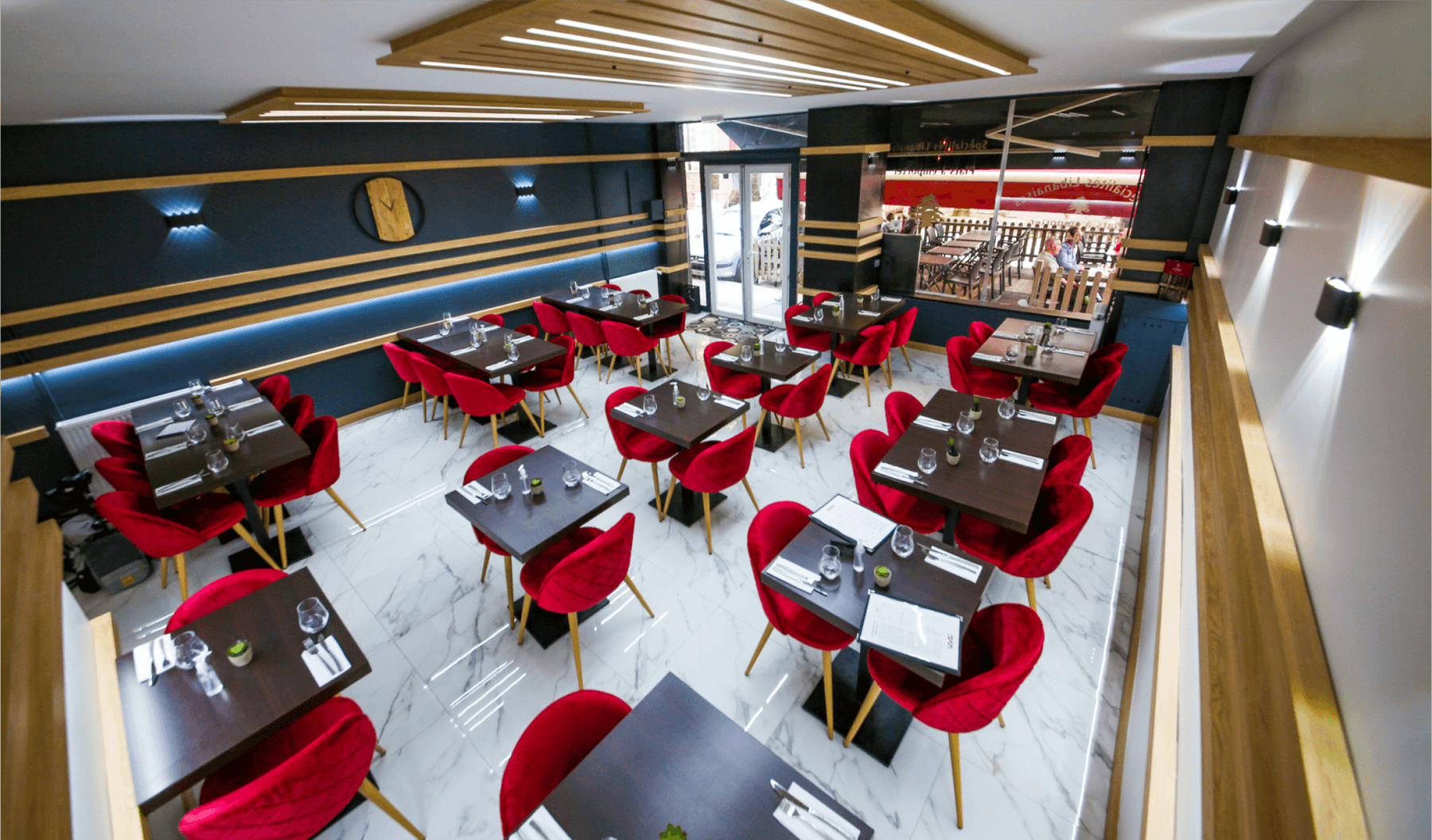
01
The mezze
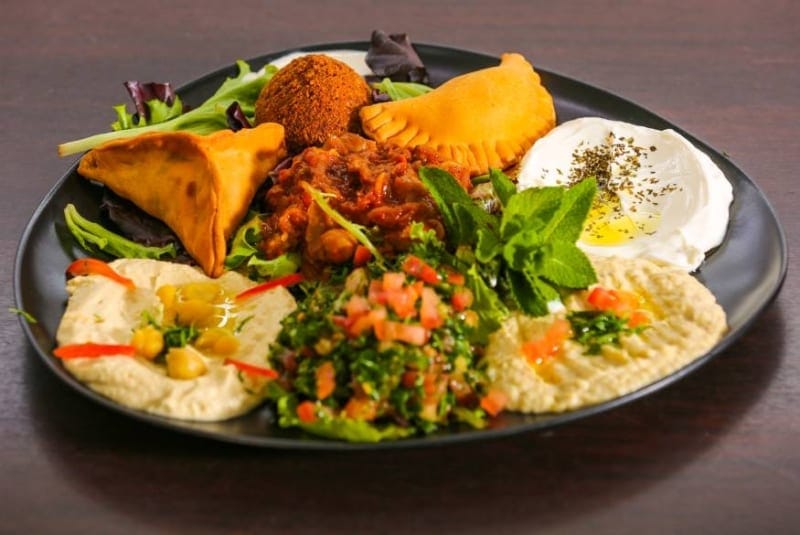
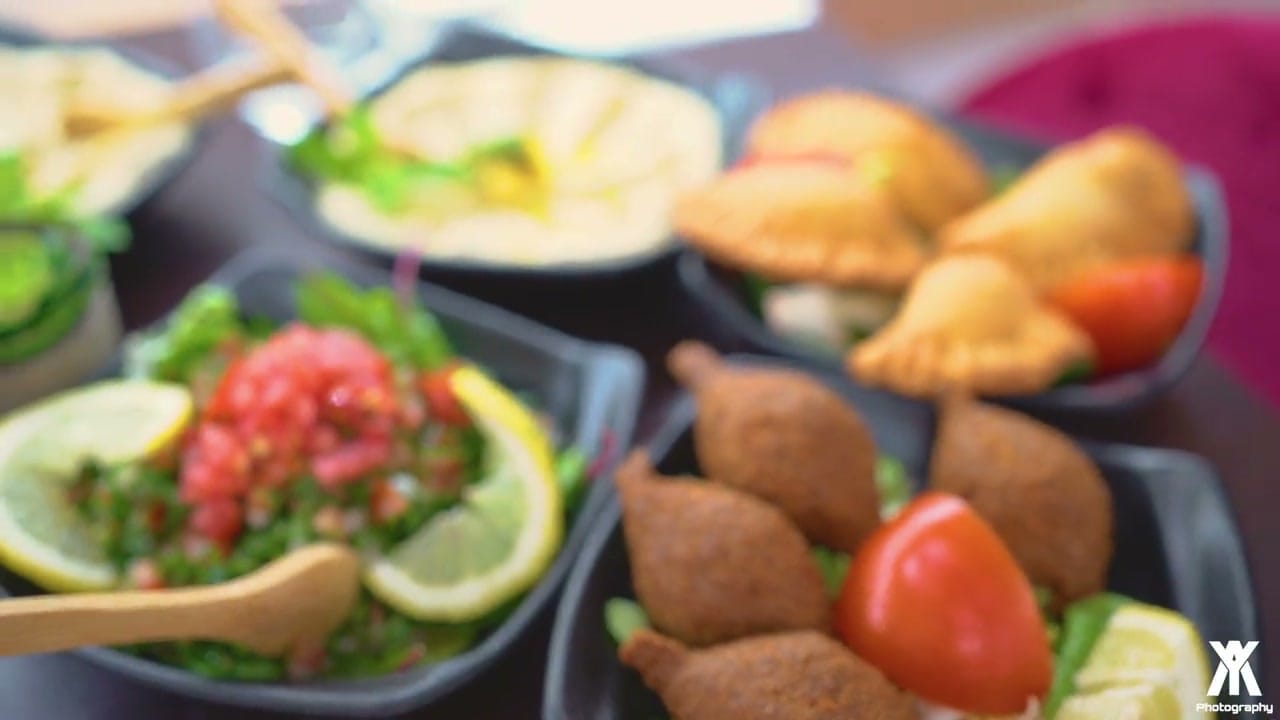
A multitude of small cold and hot dishes, hummus, tabbouleh, moutabal, falafel, placed in the middle of the table to open the meal and taste a bit of everything.
Lebanon, a bridge between East and West. A cuisine made to share, where you come to eat Lebanese and travel for an hour or two.
What is Lebanese cuisine, exactly? A cuisine of the Eastern Mediterranean, built around mezze, grills and a mosaic of herbs and spices. At Layali Beyrouth, a family restaurant in Lyon 3 open since May 2010, we bring it to life every day through recipes prepared in house with fresh produce chosen day by day.
“Lebanese cuisine is not served in three plates: it settles in the middle of the table, and everyone builds their own.”
01
A multitude of small cold and hot dishes, hummus, tabbouleh, moutabal, falafel, placed in the middle of the table to open the meal and taste a bit of everything.
02
Marinated chicken chich taouk, kafta, fragrant skewers: grilled meat gathers the table after the mezze, served with rice and Lebanese bread.
03
More than a menu, an art of the table: you pick, you swap, you extend the meal. Conviviality always comes before the individual plate.
Understanding what Lebanese cuisine is means starting with its base ingredients. Olive oil is everywhere, in cooking as in finishing. Lemon brings freshness, garlic depth, sesame as tahini roundness. The herbs, flat parsley, mint, coriander, are chopped at the last minute and give that vivid fragrance so characteristic of the mezze and salads such as tabbouleh.
You also find staple products: chickpea for hummus, grilled aubergine for moutabal, bulgur for tabbouleh and kibbeh, marinated chicken for chich taouk. This balance of freshness, acidity and generosity runs through the whole restaurant menu, whose names are written in Arabic, French and English.
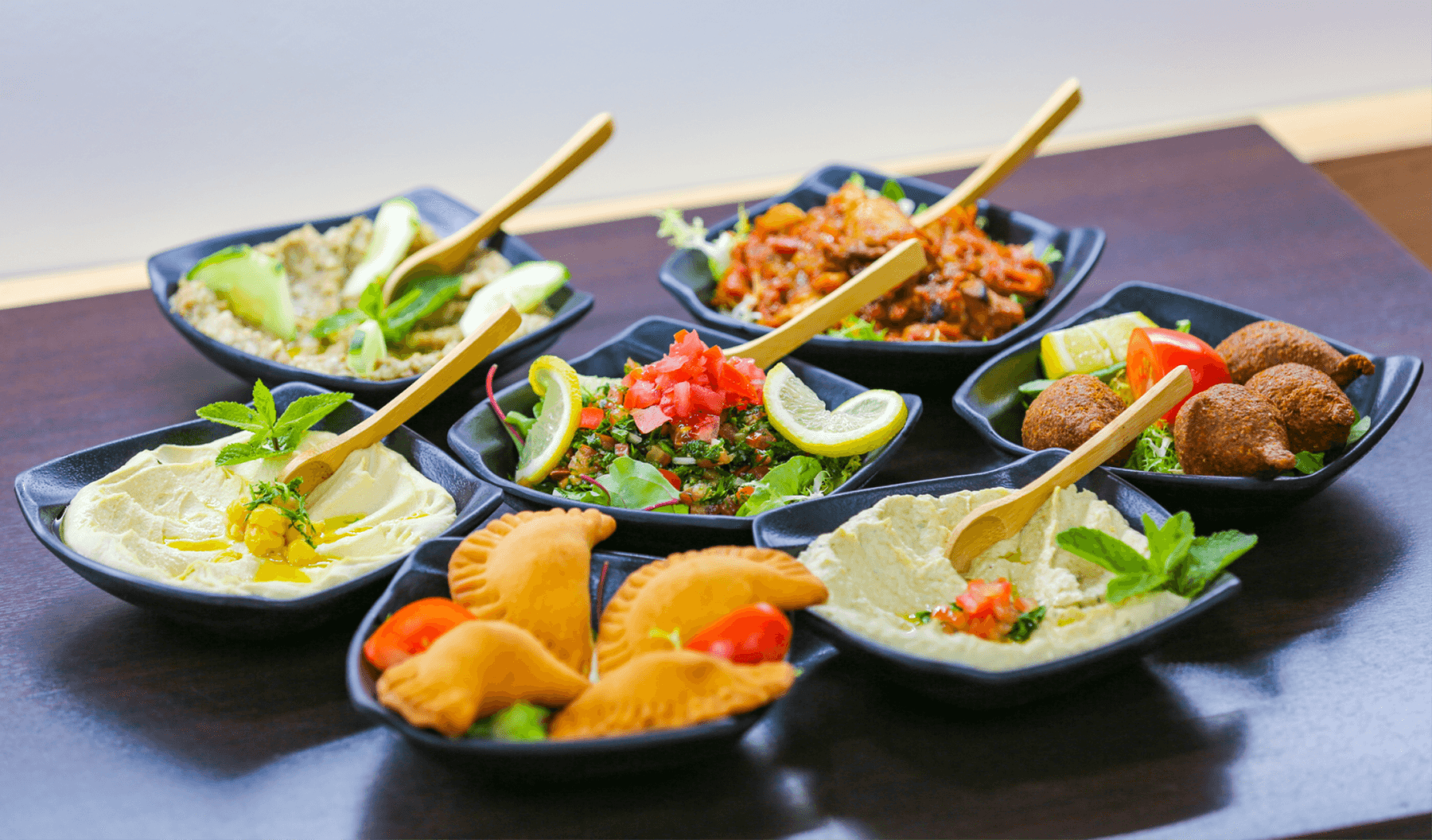
To go beyond the general definition, the essentials must be named. On the cold mezze side, hummus, moutabal, tabbouleh and fattoush show the finesse and freshness of this cuisine. On the hot mezze side, golden falafel, cheese or spinach pastries and fried kibbeh reveal a taste for textures and contrasts.
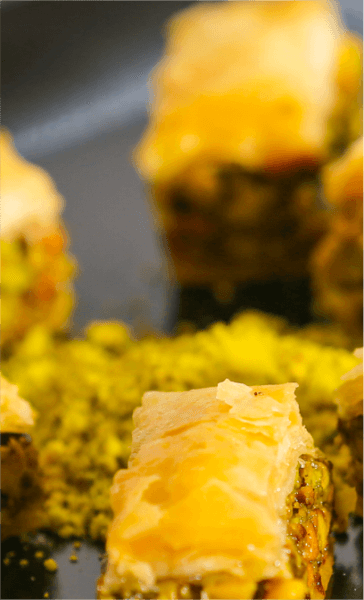
Then come the grills, chich taouk, kafta, skewers, followed by fragrant desserts such as baklava. We detail this repertoire in our guide to traditional Lebanese dishes, to recognise each preparation and its story.
Faced with such a repertoire, the first question is often knowing where to begin. We answer it step by step in our guide on what to order at a Lebanese restaurant when discovering this cuisine, from the first mezze to the grill to share.
01
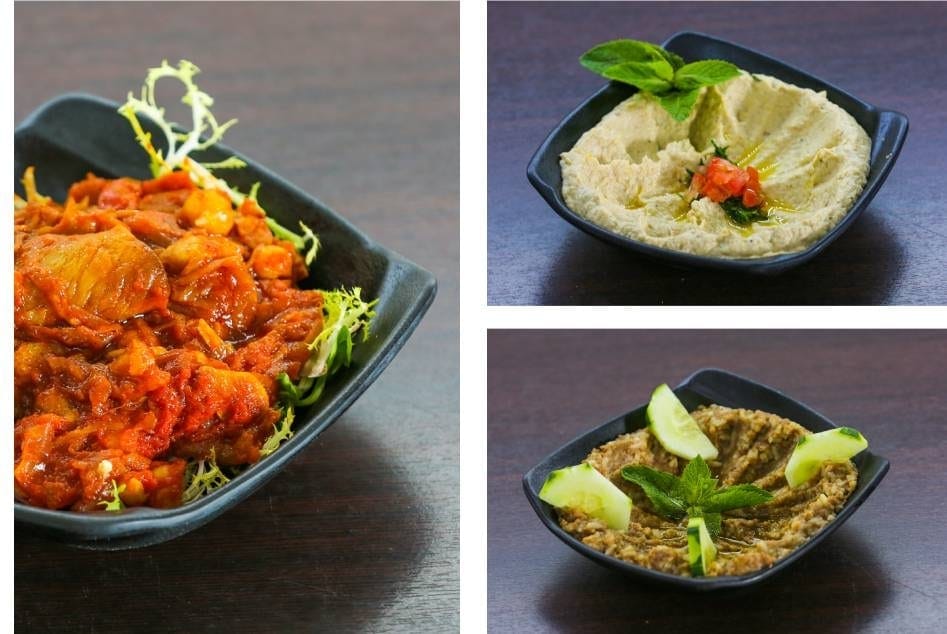
The table opens with cold mezze, hummus, moutabal, tabbouleh, before making way for hot mezze, more generous and more fragrant: kibbeh, sambousek, falafel. With us, the vegetarian tasting plate brings together the essentials of this first part of the meal.
02
Then come the grills, chich taouk, kafta, marinated skewers, cooked to order and served with Lebanese bread. This is the heart of the meal, often paired with a Lebanese wine chosen to echo the marinated meats.
03
In Lebanon, dessert closes the meal without ever weighing it down. It arrives after the mezze and the grills, to be shared in small portions, such as baklava, with a Lebanese coffee or a mint tea.
To build your table, browse our hot mezze, our grills and our pastries and desserts.
Lebanese cuisine and Middle Eastern cuisine are often confused, and the choice is not always obvious when booking a table in Lyon. Middle Eastern cuisine is a broad family, from the Maghreb to the Levant, where couscous, tagines and long-simmered spiced dishes sit side by side. Lebanese cuisine, more specific, belongs to the Mediterranean Levant: it relies on the freshness of herbs, the acidity of lemon, olive oil and an abundance of mezze rather than on stews.
Which to choose? It mostly depends on the mood of the moment. For a sharing meal, light and easy to build in a vegetarian version, where you pick at a dozen small dishes before a few marinated grills, the Lebanese table is the most fitting. This is the experience we bring to life on rue du Dauphiné, around our cold and hot mezze and our grills.
If we had to sum up what Lebanese cuisine is in one word, it would be “sharing”. The mezze are made to be placed in the middle, picked at, swapped, discussed. No one eats their plate alone: you taste the neighbour's dish, ask for more, build the meal step by step. This social dimension explains why Lebanese cuisine is so loved with family, friends or colleagues.
This logic makes full sense at a birthday, a company meal or a private hire. At Layali Beyrouth, welcoming groups of up to 30 people rests precisely on this way of eating, in Lyon 3.
Located at 38 rue du Dauphiné, in the 3rd arrondissement of Lyon, the Zbib household has kept this cuisine alive since May 2010. You can come and discover it dine-in from Monday to Saturday, or choose a Lebanese catering service for your events and groups.
For a meal at home, the same cuisine can be collected via Click & Collect or ordered for delivery through Uber Eats and Deliveroo. The generosity of sharing follows you all the way to your table.
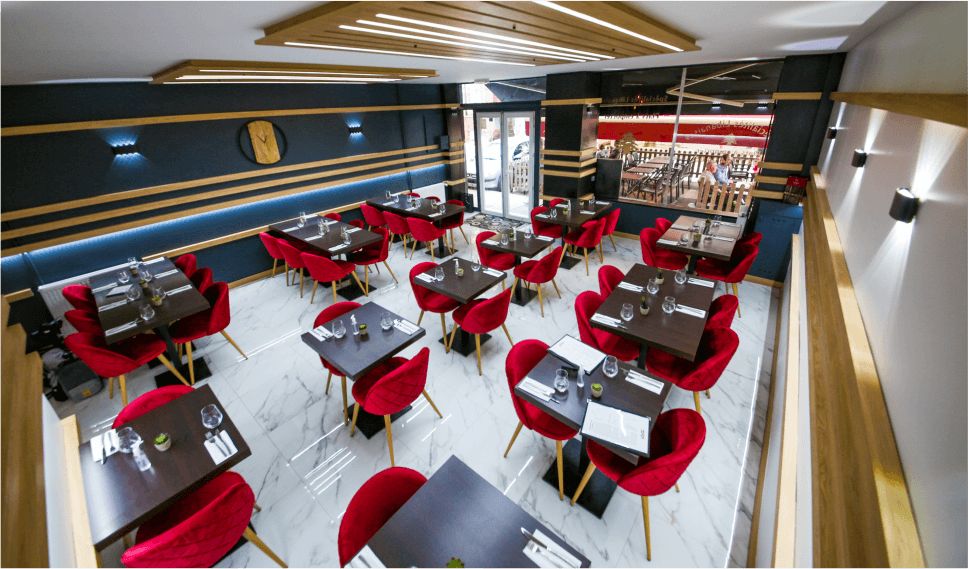
For a family dinner, Lebanese cuisine has a rare asset: it is built in the middle of the table, everyone helps themselves at their own pace, and young and old find their place between a mild hummus, golden falafel and a chich taouk grill. At Layali Beyrouth, a family restaurant run by the Zbib couple in Lyon 3 since May 2010, this table is prepared home-made, from fresh products chosen day by day by our chef qualified in Lebanese cuisine.
This is what sets a small family house apart from a large chain: the mezze and grills do not come out of a standardised kitchen but from know-how passed down over the years, which we tell in our story. You can gladly share it in the evening dine-in, around a meal designed to bring the table together.
Online booking, from lunch to dinner. Groups up to 30 people on request, with an adapted menu.
Order online for delivery or pick up your meal at the time that suits you.
38 rue du Dauphiné, 69003 Lyon
Mon, Sat · 12-2 PM / 7-11 PM
Free street parking
Mercière car park, 5 min walk