01
The ball
Chickpeas soaked then ground raw, mixed with fresh herbs and spices, shaped by hand and fried.
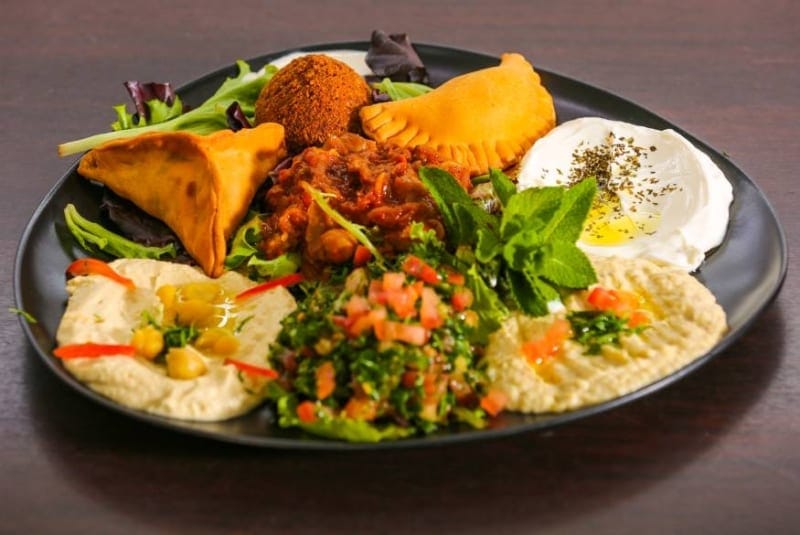
Lebanon, a bridge between East and West: behind this little golden ball lies a whole art of sharing. Here is the story of falafel.
Crisp on the outside, tender and fragrant inside, the falafel ball is one of the emblems of Lebanese and Levantine cuisine. At Layali Beyrouth, a family-run restaurant in Lyon 3 since 2010, it is one of the menu's must-haves. Here is everything you need to understand and enjoy it.
“A good falafel means a golden crust, a green fragrant core, and never one drop of oil too many.”
01
Chickpeas soaked then ground raw, mixed with fresh herbs and spices, shaped by hand and fried.
02
A golden, crisp crust on the surface, a tender, pale-green core thanks to parsley and coriander.
03
Served as mezze with hummus, tabbouleh and white sauce, or tucked into Lebanese bread: falafel is made to share.
To understand what a falafel is, look closely at its composition. The base is dried chickpeas, soaked at length then ground raw, never cooked. It is this detail that gives the ball its airy texture and its hold during cooking.
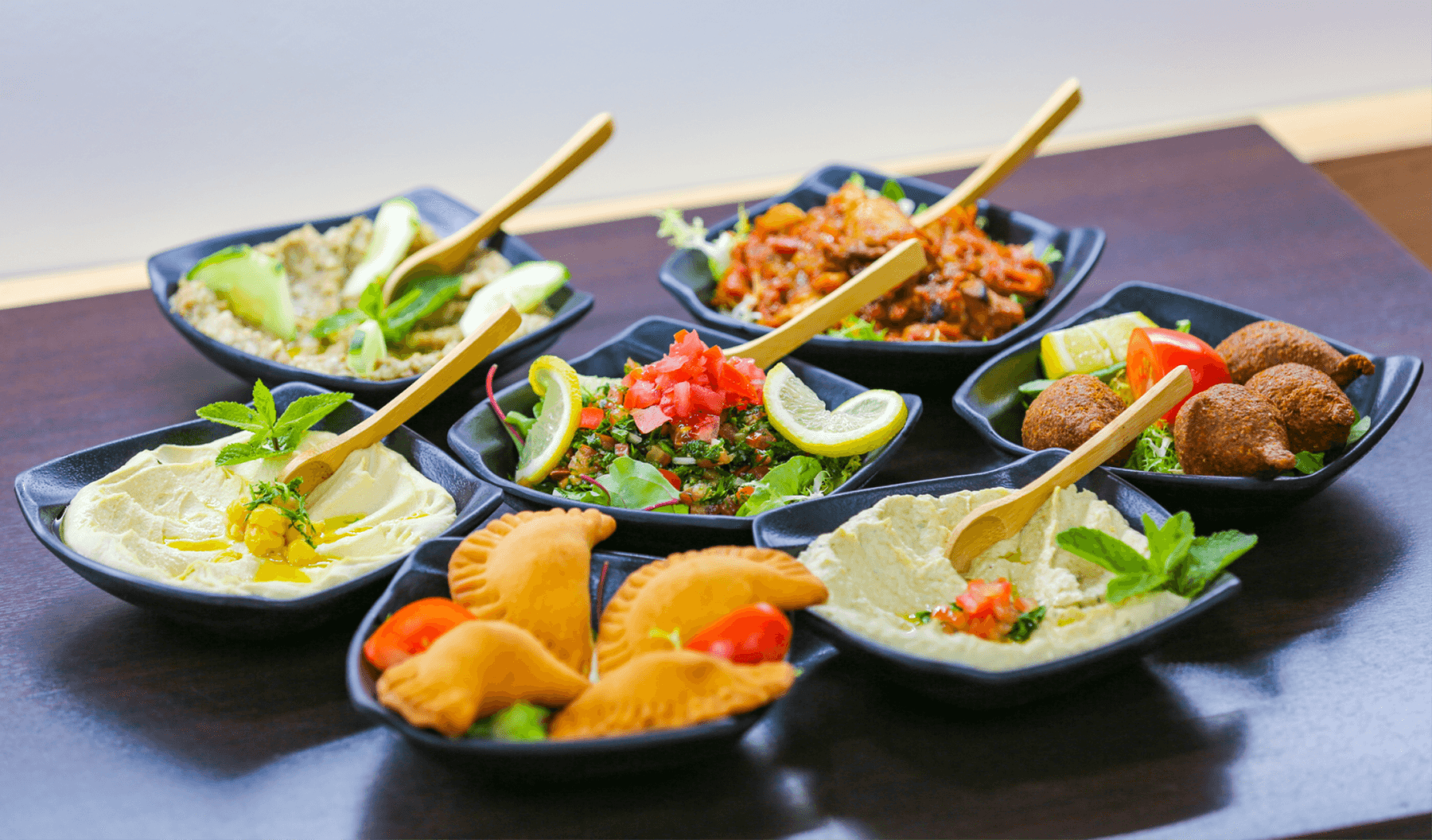
To this base are added fresh herbs, parsley and coriander, garlic, onion and a blend of Levantine spices: cumin, coriander seeds, sometimes a hint of chilli. This simplicity is deceptive: everything rests on the quality of the produce, as with our creamy hummus or our fragrant tabbouleh.
Asking about falafel also means going back in time. The ball belongs to the culinary heritage of the Middle East, and more precisely of the Levant, the region that brings together Lebanon, Syria and Palestine among others. Its popularity long ago crossed its original borders, becoming a street-food icon shared across every continent.
More than a recipe, falafel is a gesture: a way of welcoming and gathering around a table. Keeping this tradition alive in Lyon means passing on that spirit of sharing that runs through the whole story of Layali Beyrouth.
The preparation begins the day before. Dried chickpeas soak for several hours in cold water. Rehydrated but still raw, they are blended with herbs, garlic and spices until they reach a finely granular texture, neither a purée nor too fine a paste. That texture is what guarantees the hold and the airy bite.
Then comes the frying, in a bath of hot oil. The balls brown quickly, forming a crust that protects the soft core. All the skill lies in the temperature: too low and the falafel drinks the oil; too high and it burns before it is cooked. This craft can be found in our house falafel and across all our cold mezze.
01
This is the most Lebanese way to enjoy it: a few piping-hot balls set in the middle of the table, between hummus, tabbouleh and moutabal, each guest dipping them in a sesame sauce. Falafel bridges the cold and the hot mezze.
02
Tucked into Lebanese bread with crudités, pickles and tarator sesame sauce, falafel becomes a complete meal eaten by hand. It is the street version, ideal for a quick lunch or for takeaway.
03
Served with hummus, tabbouleh, crudités and bread, falafel becomes a dish in its own right. To discover Lebanese cuisine without meat, the vegetarian tasting plate pairs it with the great mezze of the Levant.
Find these three formats on our falafel in Lyon page, at lunchtime with the lunch menu or as takeaway.
Naturally vegetarian, and even vegan in its traditional recipe, with no meat, egg or dairy, falafel appeals to every guest. In Lyon, at Layali Beyrouth, our chef qualified in Lebanese cuisine prepares it from produce chosen fresh each day, in the purest tradition of the Levant.
To go further, browse our menu or order your falafel for delivery.
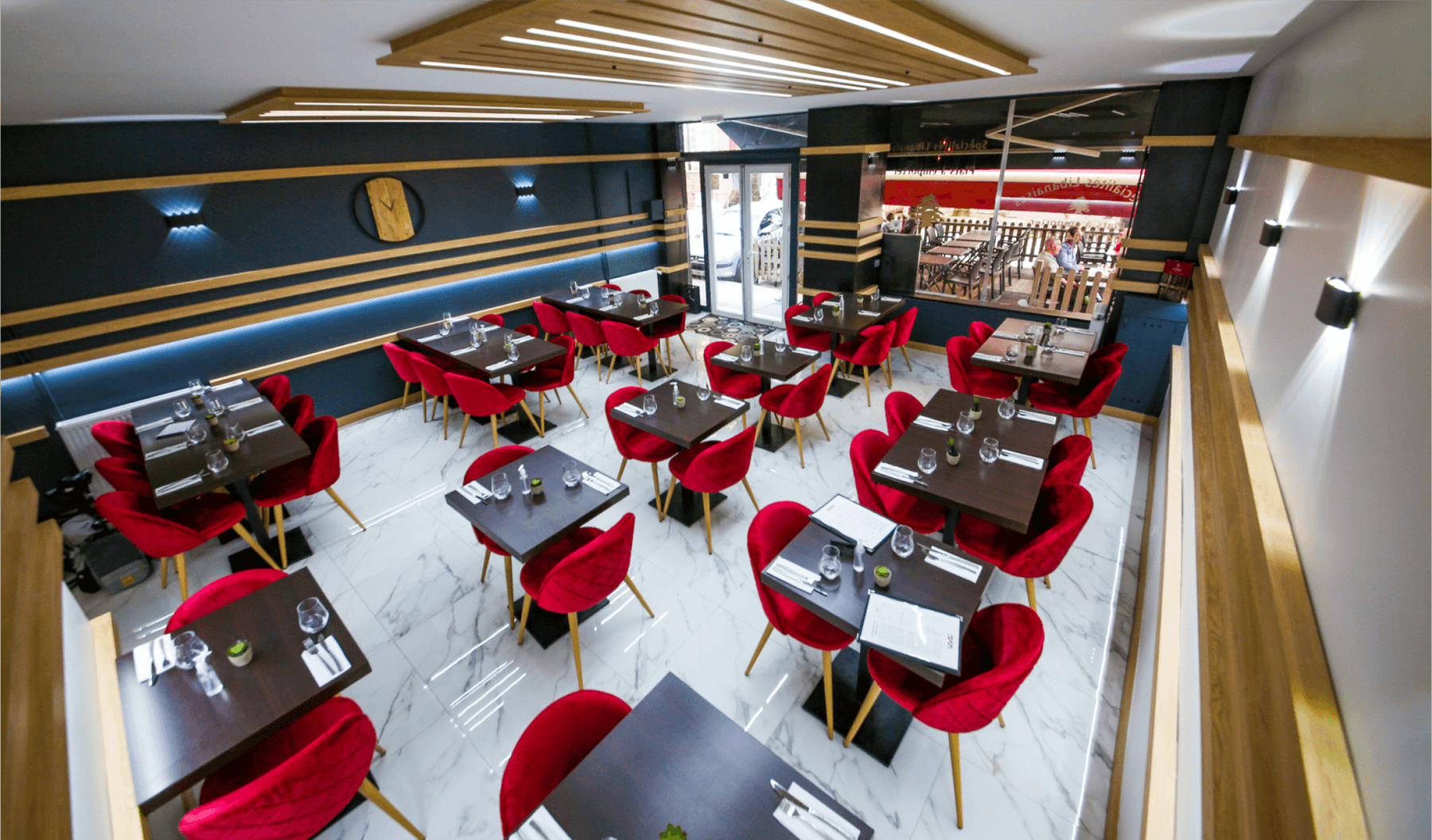
Online booking, from lunch to dinner. Groups up to 30 people on request, with an adapted menu.