01
The purée
Cooked chickpeas mashed and bound with tahini, lemon, garlic and olive oil until silky smooth.
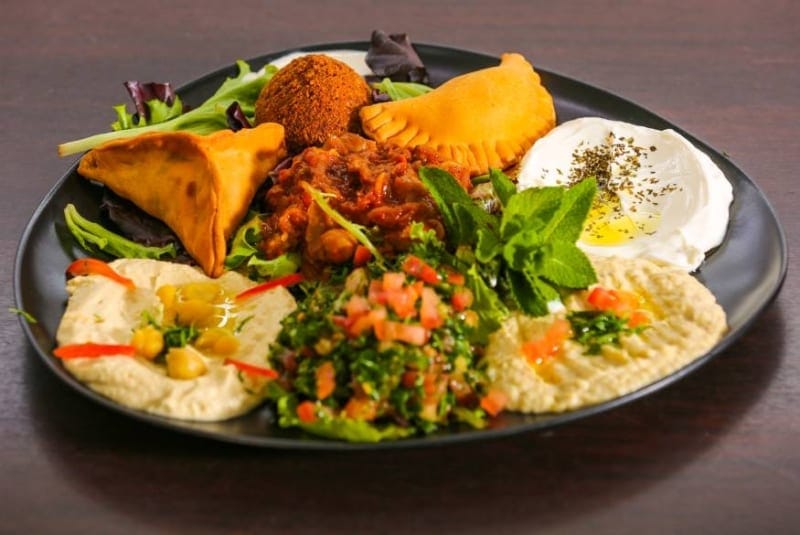
Lebanon, a bridge between East and West: behind this smooth chickpea purée lies a whole art of sharing. Here is the story of hummus.
Smooth, fresh and fragrant, hummus is one of the emblems of Lebanese and Levantine cuisine. At Layali Beyrouth, a family-run restaurant in Lyon 3 since 2010, it is one of the menu's must-haves, made in house from produce chosen fresh. Here is everything you need to understand and enjoy it.
“Good hummus means a silky purée, a drizzle of olive oil on top, and the perfect balance between chickpea and lemon.”
01
Cooked chickpeas mashed and bound with tahini, lemon, garlic and olive oil until silky smooth.
02
Served cold, in a shallow dish, with a drizzle of olive oil and sometimes a touch of paprika or cumin.
03
Set in the middle of the table, scooped up with warm Lebanese bread and shared alongside the other cold mezze.
To understand what hummus is, look closely at its composition. The traditional recipe rests on five elements: chickpeas, tahini (sesame paste), fresh lemon juice, garlic and olive oil. Salt adjusts the balance, and a few spices such as cumin or paprika sometimes sign the dish.
No ingredient is superfluous: chickpeas bring the body, tahini the richness, lemon the freshness, garlic the depth, olive oil the length on the palate. This simplicity is deceptive, everything rests on the quality of the produce and the accuracy of the proportions, as with our creamy hummus and our other cold mezze.
Asking about hummus also means going back in time. The dish belongs to the culinary heritage of the Levantine basin, the region that brings together Lebanon, Syria and Palestine among others. Chickpeas have been grown there for millennia, and turning them into a fragrant purée is part of a long tradition of country cooking that became an emblem of the shared meal.
More than a recipe, hummus is a gesture: a way of welcoming and gathering around a table. Keeping this tradition alive in Lyon means passing on that spirit of sharing that runs through the whole story of Layali Beyrouth.
Hummus is enjoyed cold, set in the middle of the table with other cold mezze such as tabbouleh, moutabal or fattoush. It is shared by dipping pieces of lightly warmed Lebanese bread, sometimes folded to form a little pinch. This simple, hands-on way of eating is what makes the Lebanese meal so convivial.
It also pairs beautifully with grilled dishes and mains, from chich taouk to kafta and shawarma. In Lyon, that balance can be found in our house hummus and across all our cold mezze.
01
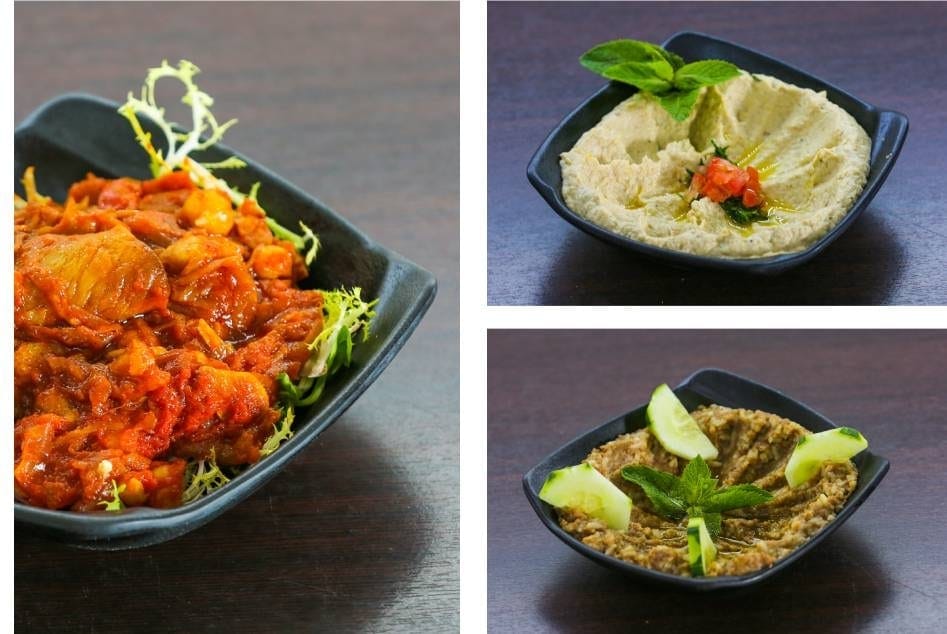
Both are creamy cold mezze bound with tahini, but their base differs: chickpeas, lemon and olive oil for hummus, grilled and smoked aubergine for moutabal, also known as baba ganoush. Hummus is soft and round, moutabal has a more pronounced smoky taste.
02
Finely cut, with plenty of parsley and mint, Lebanese tabbouleh brings the green, tangy note that answers the creaminess of hummus. The two are shared side by side, in the middle of the table.
03
Crunchy fattoush, sharpened with sumac, and fresh labneh complete the cold assortment. Together they make a naturally vegetarian mezze table, before the hot mezze and the grills.
Discover our hummus and moutabal, our Lebanese tabbouleh and all our cold mezze, prepared every day in Lyon 3.
Naturally vegetarian, and even vegan, with no meat, egg or dairy, hummus appeals to every guest and is a fine source of plant protein. In Lyon, at Layali Beyrouth, our chef qualified in Lebanese cuisine prepares it from produce chosen fresh each day, in the purest tradition of the Levant.
To go further, browse our menu or order your hummus for delivery.
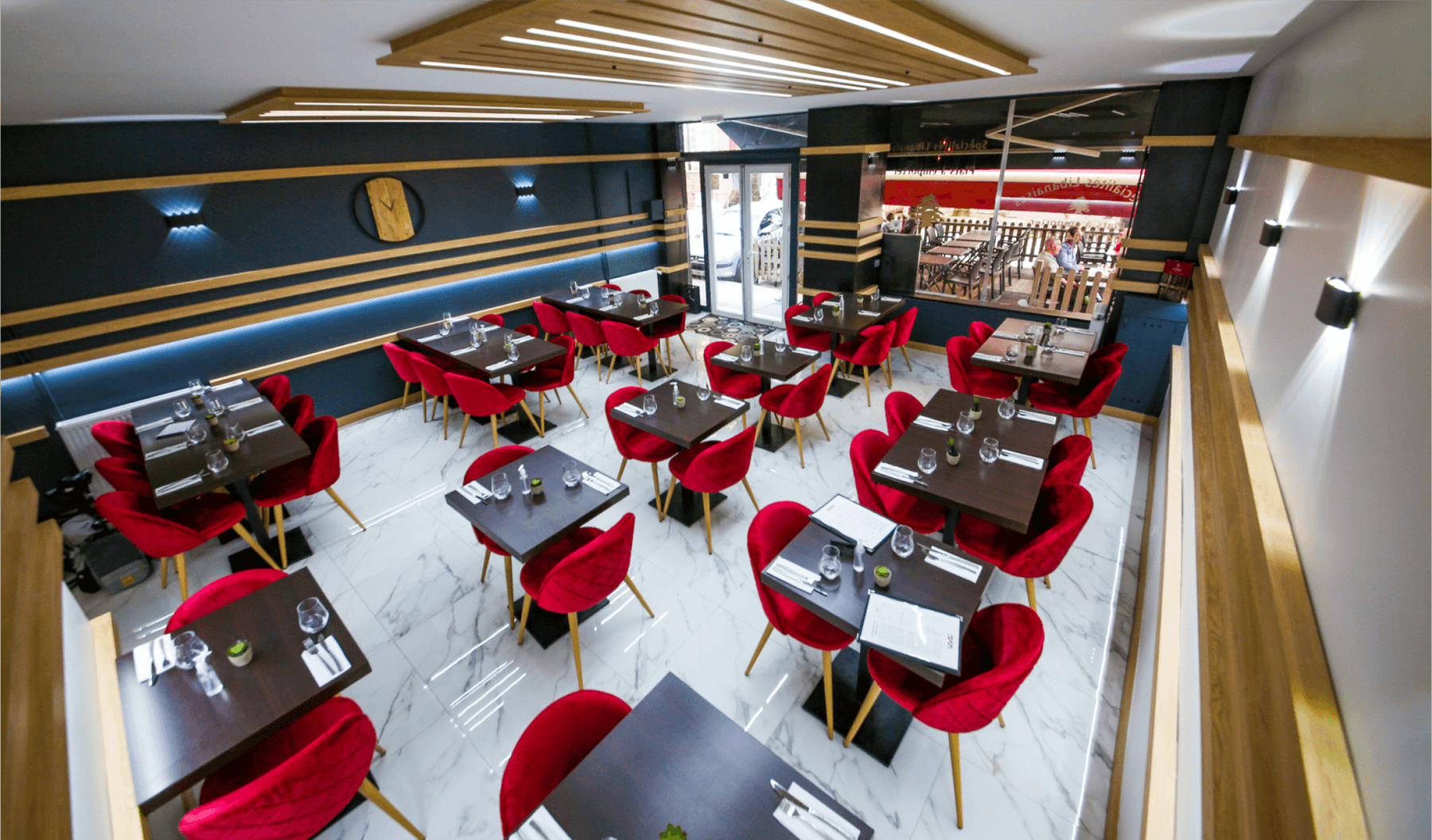
Online booking, from lunch to dinner. Groups up to 30 people on request, with an adapted menu.