01
The small dish
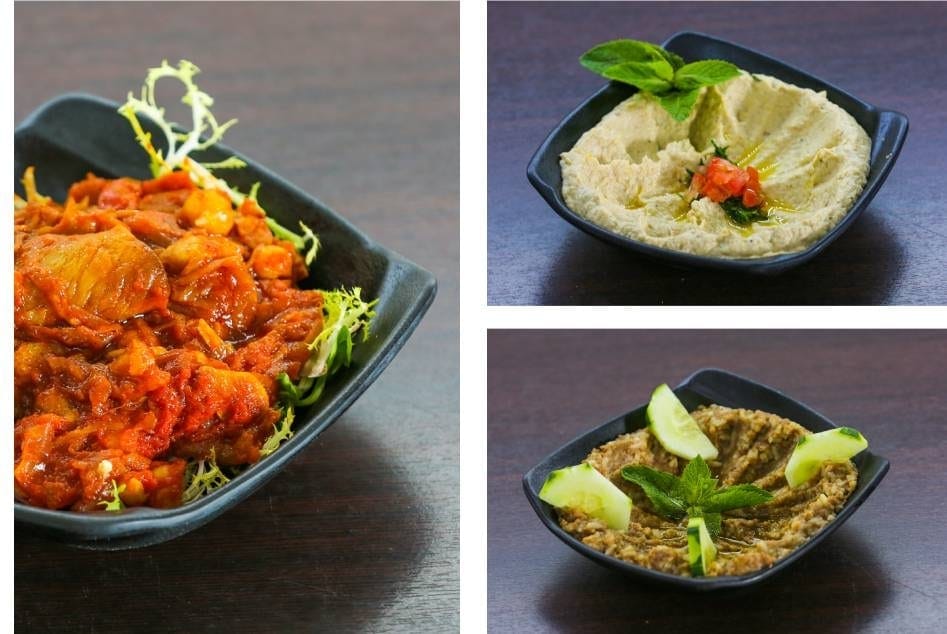
Cold or hot, based on vegetables, pulses, herbs or meat: the mezze comes in dozens of different preparations.
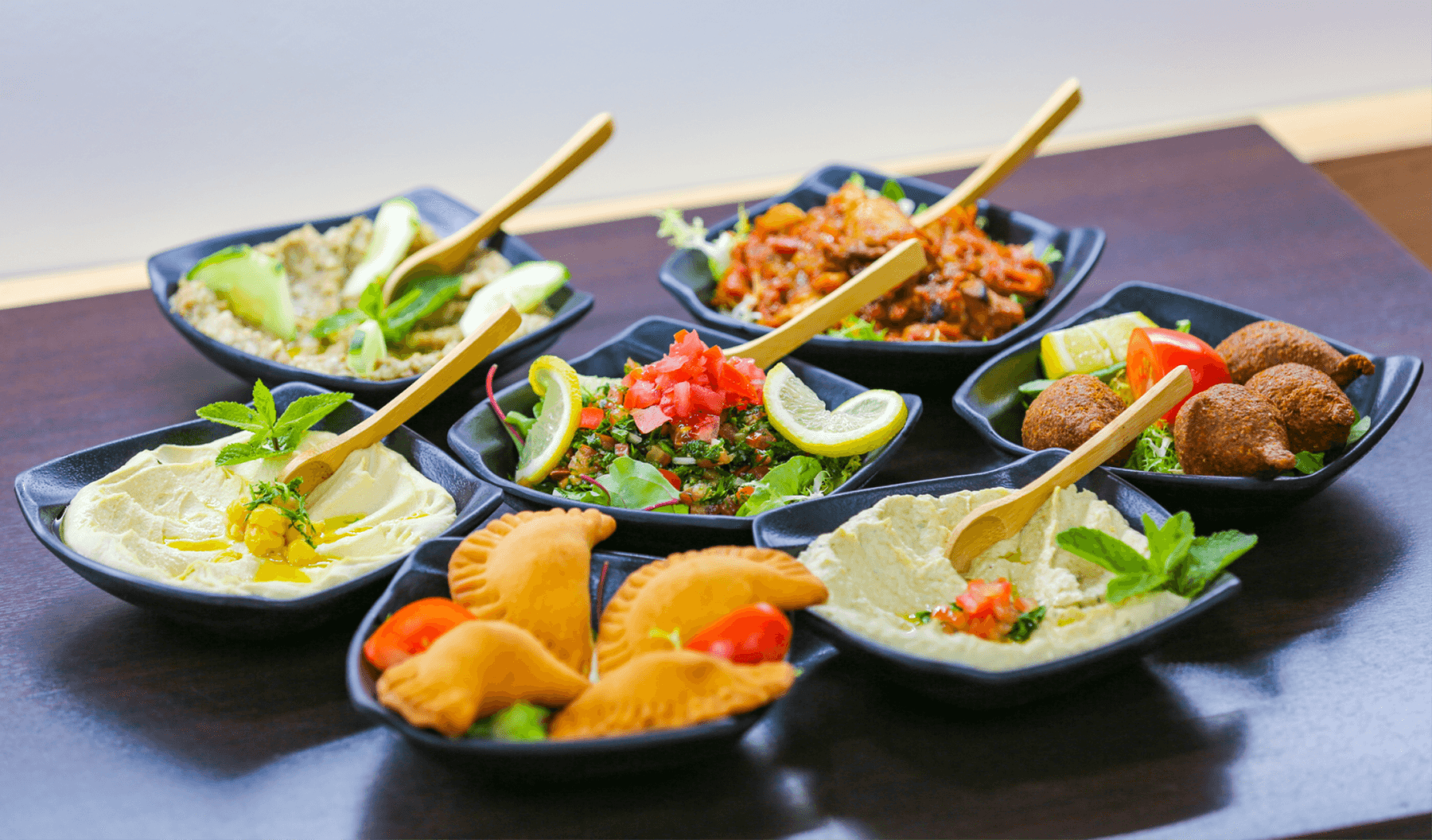
Lebanon, a bridge between East and West: the mezze is a whole art of sharing. Here is the story of this tradition, small dish by small dish.
A mezze is not a starter you order for yourself, but a small dish placed in the middle of the table and meant to be shared. At Layali Beyrouth, a family restaurant in Lyon 3 since 2010, the table fills with a multitude of cold and hot mezze that everyone dips into as they please. Here is everything you need to understand and put together a true mezze meal.
“The more people at the table, the more mezze you set out: Lebanese hospitality is measured by the abundance of flavours, not the size of the plates.”
01
Cold or hot, based on vegetables, pulses, herbs or meat: the mezze comes in dozens of different preparations.
02
You don't serve one mezze then the next: several small dishes arrive at once, to be set in the middle of the table.
03
Everyone helps themselves with warm Lebanese bread, in a spirit of abundance and conviviality.
The first useful distinction is between cold and hot mezze. The cold ones bring together purées, salads and marinated preparations, chickpea hummus, smoked aubergine moutabal, also known as baba ganoush, finely cut tabbouleh, crunchy fattoush or vine leaves. They open the meal on fresh, herbaceous, tangy notes.
Hot mezze add another dimension: golden falafel, crisp kibbeh, pastries and small worked portions complete the cold ones with stronger textures and intensity. A true Lebanese meal almost always combines the two, as in our selection of cold mezze, our hot mezze and the whole restaurant menu.
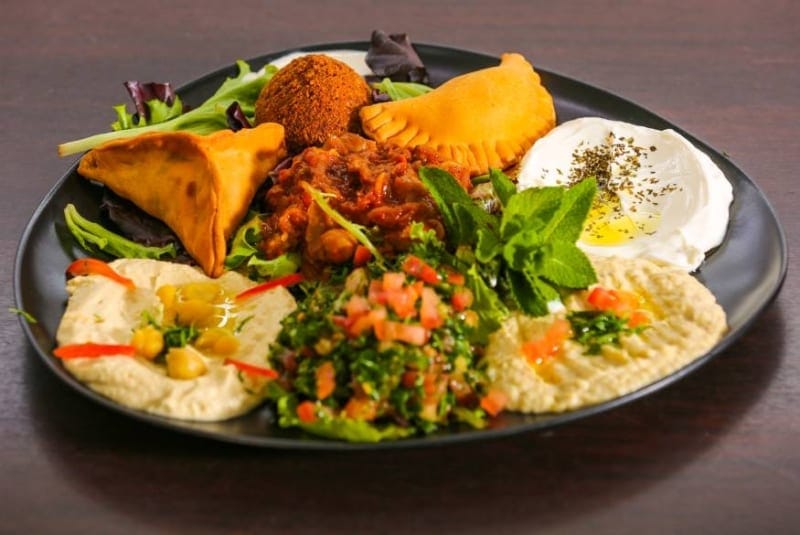
To understand the mezze, you have to forget the Western logic of the individual starter. The Lebanese table is thought of like a landscape: a multitude of small dishes are set out at the same time, and the meal becomes a conversation in which everyone tastes a bit of everything. This way of eating tells of a culture where hospitality comes through the variety offered rather than the size of the portions.
More than a sequence of dishes, the mezze is a gesture: to welcome, to gather, to take one's time. That is exactly the spirit we bring to life every day at 38 rue du Dauphiné, as a continuation of the whole story of Layali Beyrouth.
Some mezze come up almost every time, and for good reason: they sum up a large part of Lebanon's culinary identity on their own. Hummus, a purée of chickpeas with tahini, lemon and garlic, is the best known; tabbouleh, above all a very herbaceous parsley salad, is the other pillar.
On the hot side, falafel, a fried ball of chickpeas and herbs, and kibbeh, fine bulgur filled with meat and onions, are two must-haves, alongside moutabal and fattoush. Each preparation has its own dedicated page: hummus, tabbouleh, falafel or kibbeh.
Putting together a mezze meal follows a few simple principles: a few cold ones based on pulses or purées, one or two based on crunchy herbs, then hot ones for texture. You often add a grill as a main course, and count five to eight varieties for the table rather than one large portion per person.
To go further, browse our menu or order your mezze for delivery.
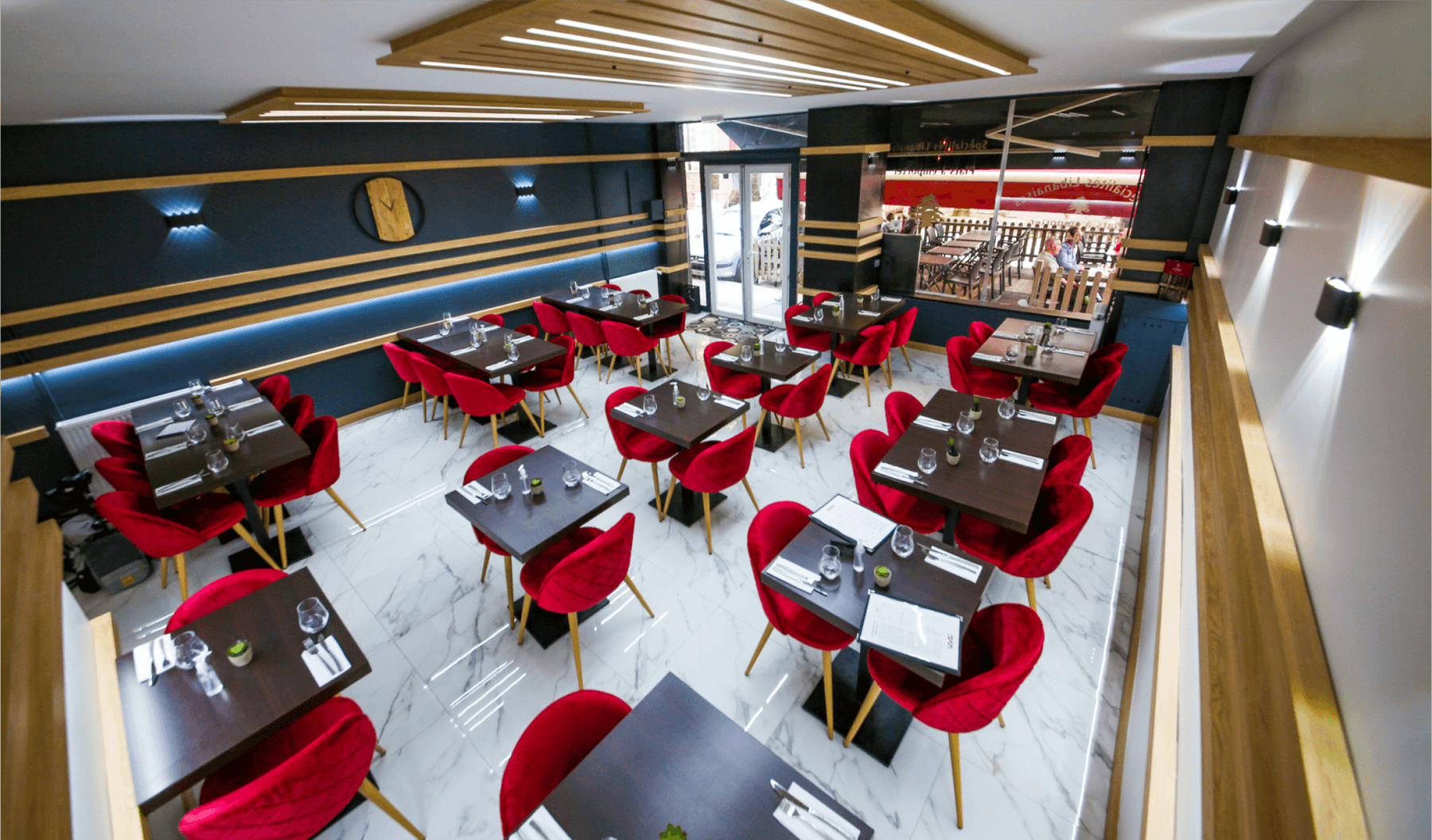
Online booking, from lunch to dinner. Groups up to 30 people on request, with an adapted menu.