01
لحم يدور
مبدأ الشاورما قديم: ترصّ الشرائح المتبّلة على سيخ عمودي وتُشوى ببطء أمام الحرارة، مع كشط السطح كلما احمرّ.
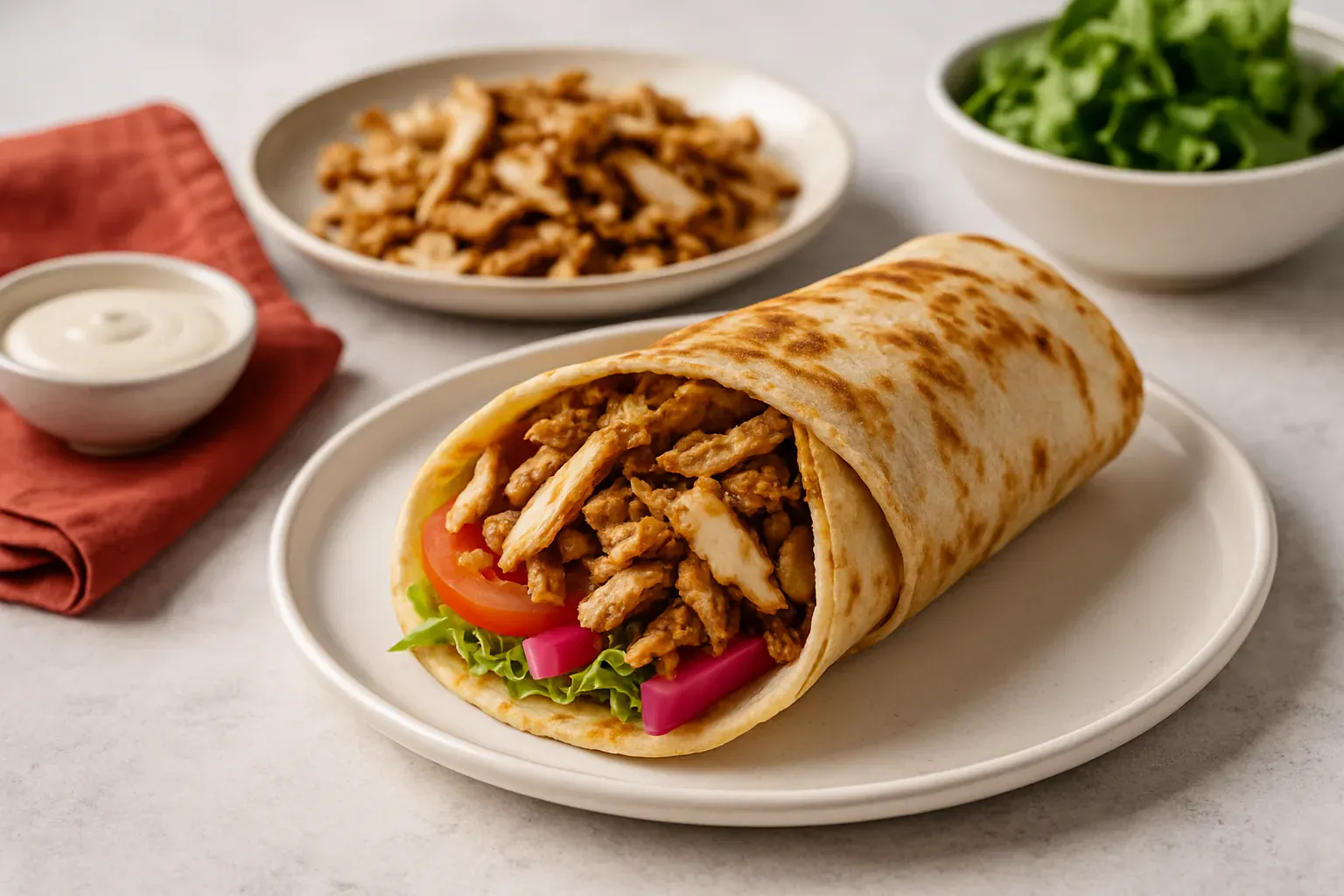
لبنان، جسر بين الشرق والغرب: خلف مخروط الدجاج المتبّل الذي يدور ببطء أمام اللهب حرفة كاملة. نروي لكم حكاية شاورما الدجاج، من التتبيلة إلى الصحن.
تستحضر كلمة شاورما صورة أولى: مخروط لحم كبير يدور ببطء أمام اللهب، ذهبي الأطراف، يُقطَّع عند الطلب. شاورما الدجاج هي النسخة الأكثر طلبًا، والأسهل لاكتشاف المطبخ اللبناني أول مرة. لكنها ليست مجرد دجاج مفروم: إنها تحضير دقيق موروث من بلاد الشام، حيث تهمّ التتبيلة وبطء الشيّ بقدر اللحم نفسه. في ليالي بيروت، المطعم اللبناني العائلي في الدائرة الثالثة من ليون منذ 2010، تُحضَّر الشاورما بالحركات نفسها كما في بيروت. إليكم ما ينبغي معرفته لفهم شاورما الدجاج اللبنانية الحقيقية وتذوّقها.
«الشاورما الجيدة لا تُقاس بسرعة السكين بل بصبر المخروط: تتبيلة الأمس والسيخ الدوّار يفعلان الباقي.»
01
مبدأ الشاورما قديم: ترصّ الشرائح المتبّلة على سيخ عمودي وتُشوى ببطء أمام الحرارة، مع كشط السطح كلما احمرّ.
02
تُوجد في أنحاء شرق المتوسط، من لبنان إلى سوريا. وشاورما الدجاج نسختها الأكثر ليونة وشمولًا.
03
في لبنان، الشاورما طعام شارع ومطعم معًا: ملفوفة في خبز للغداء، وفي صحن مساءً، دائمًا كريمة وللمشاركة.
شيّ اللحم المرصوص والمكشوط من سطحه حركة منتشرة في شرق المتوسط. تنتمي الشاورما إلى هذه العائلة، عائلة الشيّ البطيء الشامي التي تشمل لبنان وسوريا وفلسطين والأردن. من بلد إلى آخر لا يتغير المبدأ كثيرًا: شرائح رقيقة، تتبيلة عطرة، مخروط يدور أمام اللهب، وتقطيع عند الطلب. ما يتغير هو تفاصيل البهارات واختيار اللحم.
فرضت شاورما الدجاج نفسها كأكثر النسخ انتشارًا لأنها الأيسر. فبينما تحمل شاورما اللحم الأحمر نكهات عميقة، يقدّم الدجاج لحمًا طريًا وطعمًا أرقّ، سهل التذوّق فورًا دون أن يكون باهتًا. وغالبًا ما تكون مدخلًا إلى المطبخ اللبناني قبل اكتشاف المقبّلات والمشاوي والحلويات.
في المطبخ اللبناني كما نقدّمه، الشاورما ليست منتجًا جاهزًا أبدًا. إنها امتداد لفنّ النار والصبر: التتبيلة تُحضَّر في الليلة السابقة، والمخروط يُرصّ باليد، والتقطيع يتمّ عند الطلب. هذه العناية تسري في المائدة اللبنانية كلها، حيث يحمل كل طبق حركة وحكاية.
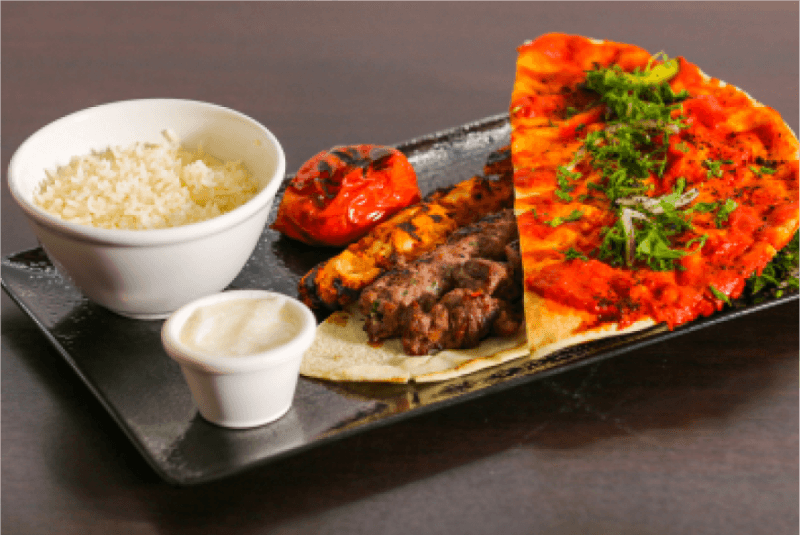
يبدأ كل شيء قبل التقديم بوقت طويل. يُقطَّع الدجاج ويُتبّل طويلًا في خلطة بهارات لبنانية تُحضَّر في المطعم. هذه المرحلة، غير المرئية في الصحن، هي ما يميّز الشاورما الحقيقية عن أي مفروم عادي: فالتتبيلة لا تكتفي بتتبيل السطح بل تعبر اللحم وتعطّره حتى القلب.
الوقت يقوم بالجزء الأكبر هنا. ساعات من الراحة في البرد، غالبًا ليلة كاملة، ضرورية كي تتغلغل الخلطة في الدجاج لا أن تغلّفه فقط. المبدأ الصبور نفسه يقود كل مشاوينا اللبنانية، حيث ينال كل لحم تتبيلته الخاصة المحضّرة في اليوم السابق: لا شيء يطغى، وكل شيء يُظهر اللحم.
عند التقطيع، تُعرف شاورما دجاج متبّلة جيدًا من لونها المتجانس ورائحة بهاراتها المحسوسة دون عدوانية. التتبيلة اللبنانية لا تخفي الدجاج بل ترافقه. هذا الاعتدال يجعل الطبق خفيفًا وشهيًا في آن، ويفسّر لماذا لا يملّه المرء أبدًا.
بعد التتبيل، يُرصّ الدجاج عموديًا: تُضغط الشرائح على شكل مخروط محكم حول سيخ يدور ببطء أمام مصدر حرارة. هذه الهندسة ليست عرضية. فبدورانه، يعرض المخروط باستمرار وجهًا جديدًا للّهب، فيحمرّ السطح ويتكرمل بينما يبقى القلب المحميّ طريًا ممتلئًا بالعصارة.
هذا بالضبط ما يغيّره الشيّ على السيخ، وما لا تستطيع المقلاة استنساخه. الحرارة الدوّارة تعالج اللحم برفق، طبقة بعد طبقة، بدل شويه دفعة واحدة. فيحصل تباين لا يوجد سواه: أطراف مقرمشة كأنها مطليّة، ولحم طري في الداخل. هذا التباين هو كل طابع شاورما الدجاج لدينا في ليون، المحضّرة على طريقة بيروت.
البطء هو المفتاح. الشاورما التي تُشوى بسرعة تجفّ؛ والتي تُشوى بصبر تركّز النكهات وتحفظ طراوتها. لا يُترك المخروط وحده: يُعدَّل، يُقرَّب أو يُبعَد عن الحرارة بحسب سماكة الشرائح. إنه طبق يطلب الانتباه لا العجلة.
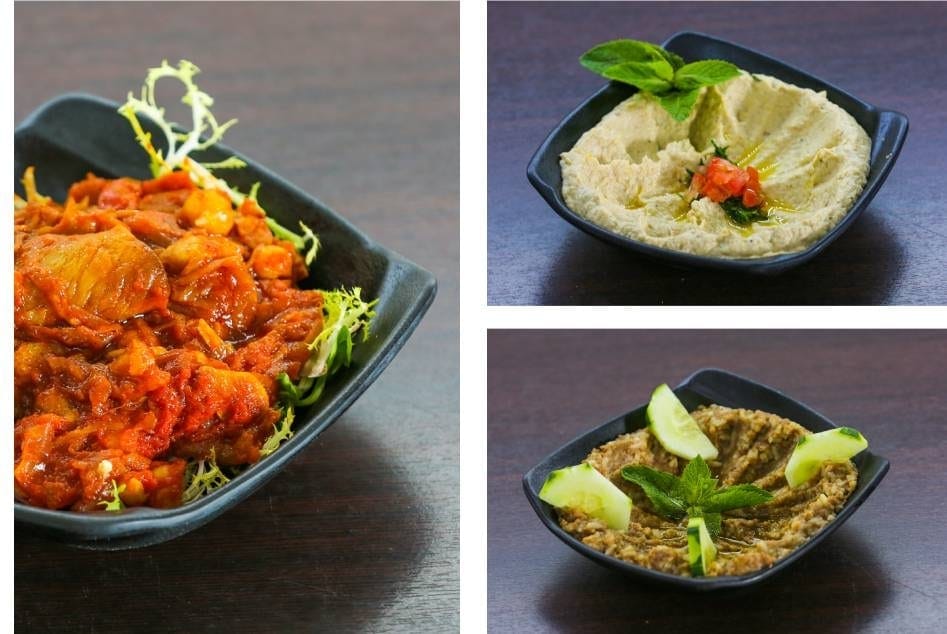
أبرز حركات الشاورما هي أيضًا الأكثر حسمًا: التقطيع. كلما احمرّ سطح المخروط، يُكشط شرائح رقيقة عند التقديم مباشرةً. لا شيء يُقطَّع مسبقًا. فتجمع كل حصة ما شواه السيخ للتوّ: أطراف مقرمشة متكرملة مع لحم طري من الطبقات التالية.
هذا التقطيع عند الطلب يمنح الشاورما قوامها الفريد. التقطيع المسبق والتسخين والانتظار كلها اختصارات تُفقد الدجاج ما يميّزه بالضبط، ذلك التباين بين قرمشة الخارج وطراوة الداخل. مفروم محضّر مسبقًا لم يعد شاورما، بل دجاجًا مسخّنًا.
لهذا تُحضَّر الشاورما، كالمشاوي، عند الطلب لا سلفًا. بين لحظة مرور النصل على المخروط ووصول الصحن إلى المائدة، كل دقيقة تهمّ. تُقدَّم مقطّعة للتوّ وساخنة فتنشر كل عطرها؛ وتُقدَّم فاترة فلا تعود الطبق نفسه.
تأتي الشاورما تقليديًا في ثلاث نسخ، تقوم جميعها على الشيّ البطيء نفسه على السيخ لكنها تقدّم أذواقًا وقوامًا مختلفًا. الاختيار حسب المزاج والشهية، ولا شيء يمنع العودة للمقارنة.
لا نسخة أصيلة أكثر من الأخرى: إنها ثلاث طرق للتعبير عن الحرفة نفسها. إن كنت تكتشف الشاورما فابدأ بالدجاج الألطف؛ وإن كنت تعرفها فجرّب اللحم أو المشكّل. في كل الحالات، يبقى السيخ والتتبيلة والتقطيع عند الطلب كما هي.
لا تُتصوّر الشاورما دون إطارها. الخبز اللبناني الرقيق الطري رفيقها الطبيعي: يلفّ اللحم، يمتصّ العصارة، ويكون أداةً وسندًا وطبقًا مرافقًا في آن. ملفوفًا محكمًا يحوّل الشاورما إلى وجبة كاملة تُمسك باليد؛ ومفتوحًا بجانب الصحن يتيح التقاط كل لقمة مع الخضار والصلصة.
الصلصات هي التوقيع الآخر للطبق. تُحضَّر يوميًا في المطعم، وتمنح الدجاج النضارة والحيوية اللتين تردّان على طراوة اللحم. صلصة الثوم البيضاء الخفيفة أشهرها: تكفي لمسة لإيقاظ كل لقمة. وإلى جانبها خضار طازجة وبعض المخلّل أو البصل تنشّط الكل.
التوازن هو ما يهمّ، ولا شيء للزينة. دسم اللحم المشوي، نضارة الخضار، حيوية الصلصة، ليونة الخبز: لكل عنصر وظيفة. انزع أحدها تفقد الشاورما بعض اتّزانها. مجتمعةً تصنع ذلك الطبق الكريم المستدير المرتبط بالمائدة اللبنانية.
هناك طريقتان كبيرتان لتذوّق الشاورما، ولا واحدة أفضل من الأخرى. سندويشًا، ملفوفة محكمًا في خبز لبناني مع خضار وصلصة، وهو شكل الغداء السريع المتنقّل يُؤكل باليد بلا تكلّف. وفي صحن، يُدرَّج اللحم المقطّع مع أرز وخضار وصلصات جانبية، شكل أكمل يُؤخذ على مهل.
أيًا كان الشكل تبقى الروح واحدة: المشاركة. المائدة اللبنانية ليست لكلٍّ صحنه بل للوسط، حيث يخدم الجميع أنفسهم وينتقون. تصلح الشاورما لذلك طبيعيًا، محاطة بمقبّلات تُغمس بالخبز بين اللقمات. بهذه الروح بالذات نقدّم شاورما الدجاج لدينا، كريمة ومهيّأة للمشاركة.
نصيحة أخيرة لتذوّقها كاملةً: كلها مقطّعة للتوّ دون انتظار، ما دامت الأطراف مقرمشة. أضف صلصة الثوم بلمسات صغيرة لا بإفراط كي لا تغطّي عطر التتبيلة. ودع الخبز اللبناني يقوم بدوره، ملفًّا كل لقمة لحم مع قليل من الخضار ولمسة صلصة.
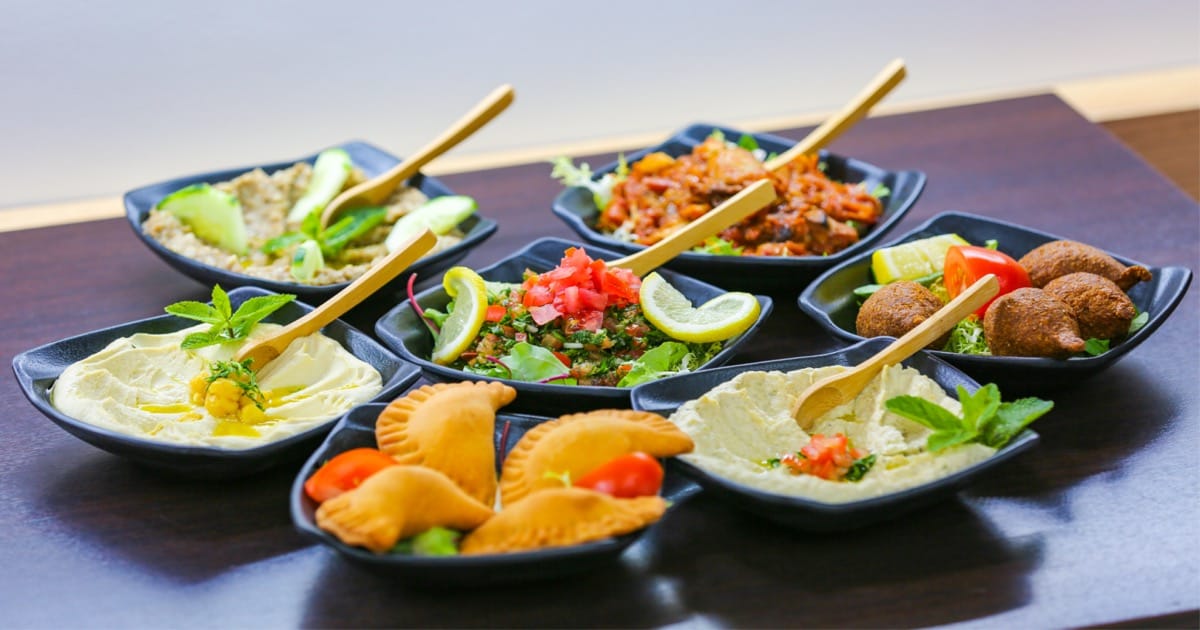
كالمطبخ اللبناني كلّه، نادرًا ما تُتصوّر الشاورما وحدها: تحيط نفسها بمجموعة. في الصحن، يكمّل الأرز المعطّر والخضار البسيطة اللحم. وإلى جانبها تجلب المقبّلات الباردة التوازن. الحمّص، معجون الحمّص الممزوج بالطحينة، يقدّم القوام الكريمي الذي يردّ على الدجاج المشوي؛ والتبولة، الغنية بالبقدونس المنعشة بالليمون، تجلب النضارة والقرمشة. تُنتقى من مقبّلاتنا الباردة، تُغمس بالخبز بين لقمات الشاورما.
هذه الطريقة في التأليف تفسّر لماذا تُشارَك وجبة الشاورما بسرور. حصة لكل شخص، ومقبّلان أو ثلاثة تُمرَّر في وسط المائدة، فتأخذ الوجبة بُعدًا آخر: لم تعد محصورًا بطعم واحد بل تسافر من نكهة إلى أخرى. ويجد الضيوف النباتيون مكانهم طبيعيًا، إذ نصف المائدة مفتوح لهم.
هذه هي الحياة اليومية التي نقدّمها منذ خمسة عشر عامًا: منتجات تُختار طازجة يومًا بيوم، مقبّلات تُحضَّر في المكان، وشاورما تُقطَّع عند الطلب. الكرم اللبناني ليس في الكمية بل في هذه الطريقة لتمرير الأطباق والأكل معًا، ساعة أو ساعتين، كسفر بين الشرق والغرب.
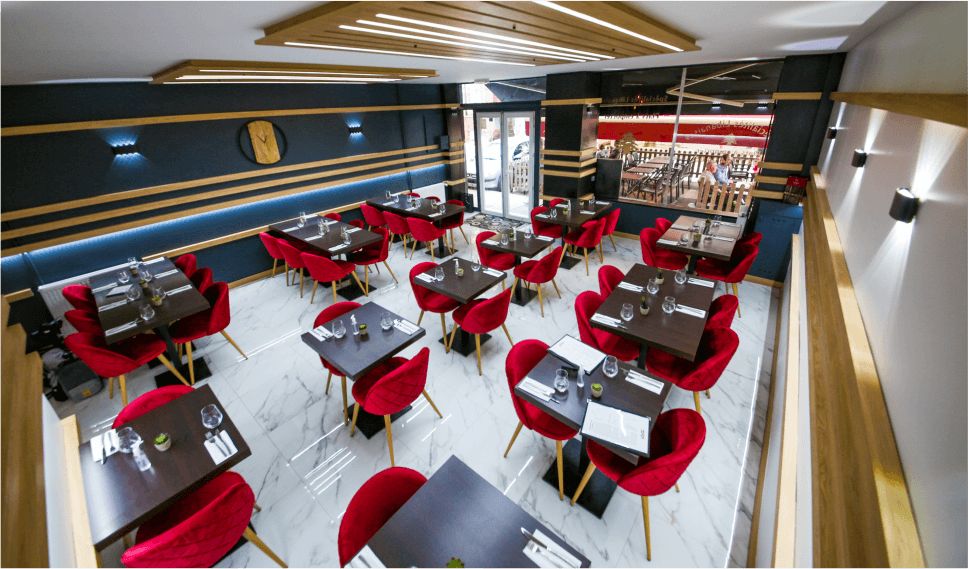
ليالي بيروت مطعم لبناني عائلي في 38 شارع دوفينيه، في الدائرة الثالثة من ليون، على بعد دقائق من بار-ديو. منذ 2010 يديره زوجان: هو في المطبخ متخصّص في المطبخ اللبناني، وهي في الصالة. خمسة عشر عامًا من الخدمة باثنين، دون تبديل فريق، تُترجَم في الصحن إلى انتظام قلّ أن تحفظه العناوين.
الخيار المتّخذ منذ البداية بسيط وصارم: منتجات تُنتقى طازجة يومًا بيوم، دون تخزين، وطبخ عند الطلب. التتبيلة تُحضَّر في الليلة السابقة، والمخروط يُشوى ببطء، والشاورما تُقطَّع عند الطلب. أبطأ من خدمة نمطية، لكنها الطريقة الوحيدة لتقديم شاورما دجاج تفي بوعدها.
يمكنك تذوّقها في المكان ظهرًا ومساءً، أو أخذها للخارج، أو توصيلها في ليون ومحيطها عبر خدمة التوصيل أوبر إيتس وديليفرو، أو طلبها عبر الطلب والاستلام. في كل الحالات يدور السيخ عند اللحظة، ولا يُسخَّن اللحم أبدًا.
تابع القراءة، أو انتقل من القراءة إلى المائدة مع صفحات قائمتنا.
راودتك الرغبة؟ اكتشف قائمتنا كاملةً حول chawarma poulet، المحضّرة والمقطّعة عند الطلب في المطعم.
حجز عبر الإنترنت، من الغداء إلى العشاء. مجموعات حتى 30 شخصاً بالطلب، مع قائمة مهيّأة.