01
Two words
Chich, or shish, means the skewer. Taouk means chicken. The name says quite literally what the dish is.
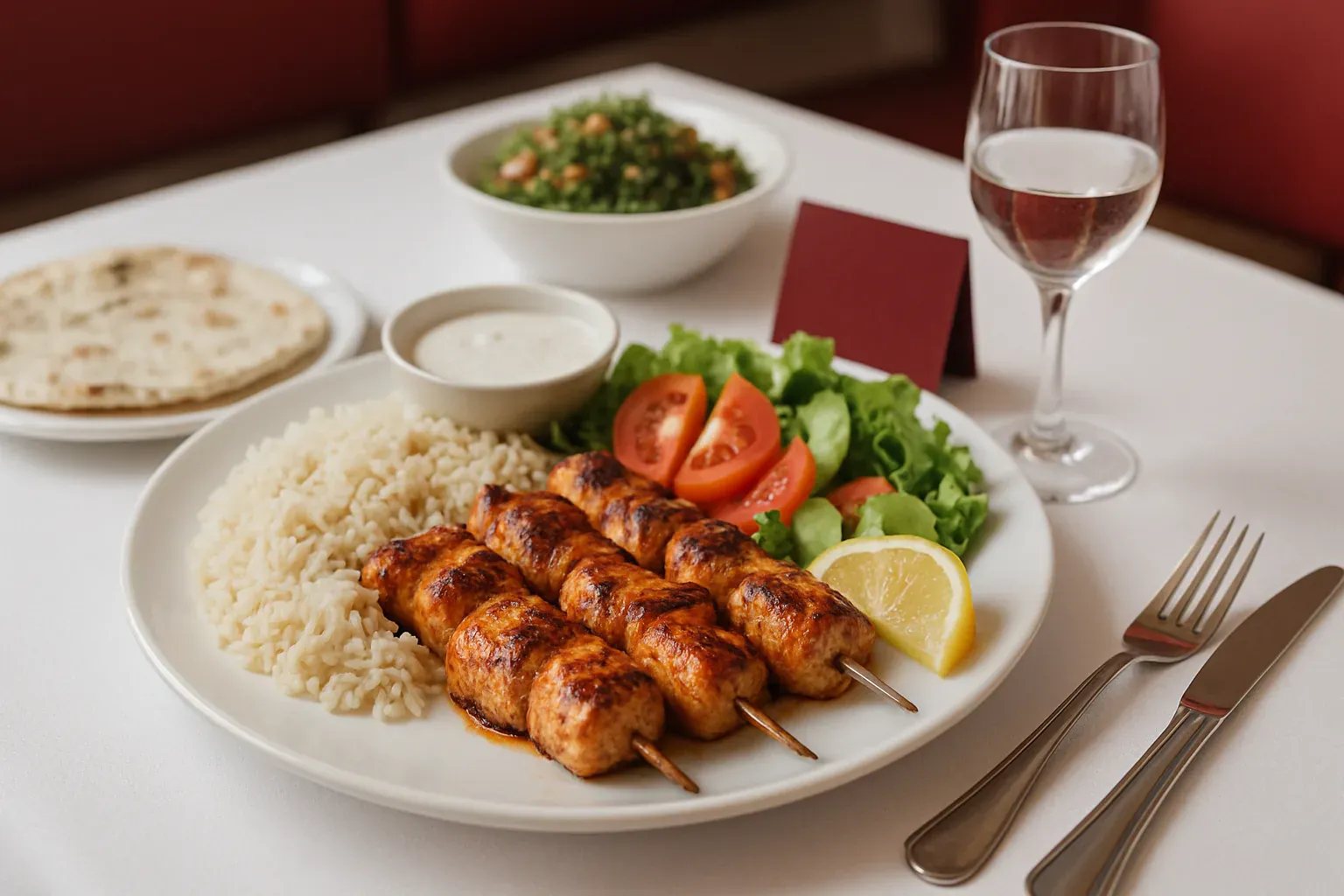
Lebanon, a bridge between East and West: behind this chicken skewer marinated in yoghurt, garlic and lemon lies a whole art of the table. Here is the story of chich taouk.
The chicken skewer is often the first dish people dare to order from a Lebanese menu they do not yet know. Behind that reassuring choice lies a precise preparation, inherited from the Levant, where the marinade matters at least as much as the cooking. At Layali Beyrouth, a family Lebanese restaurant in the 3rd arrondissement of Lyon since 2010, chich taouk is one of the grills cooked to order by a chef qualified in Lebanese cuisine. Here is what you need to know to understand it, recognise it and enjoy it as they do in Lebanon.
“A good chicken skewer is not judged by the flame, but by the marinade made the night before: that is where the tenderness comes from.”
01
Chich, or shish, means the skewer. Taouk means chicken. The name says quite literally what the dish is.
02
The Arabic name شيش طاووق has no official Latin transcription: every menu adopts its own, without the dish ever changing.
03
Pieces of marinated chicken, skewered then grilled, served with fresh garnishes and Lebanese bread. Nothing else separates the spellings.
It is the first question we are asked in the dining room: should it be chich taouk or chiche taouk? The answer is reassuring, both are right. The dish carries an Arabic name, شيش طاووق, which reaches French through phonetic transcription. Depending on the restaurant, you will read chich taouk, chiche taouk, shish taouk, sometimes shish tawook on English menus. None of these forms is more authentic than the others.
This flexibility is not trivial: it tells of a cuisine passed on orally, from one family kitchen to the next, long before it was written down. The first word is found across much of the eastern Mediterranean for a skewer. The second belongs to the region's culinary vocabulary for poultry. Together they form a purely descriptive name, as with many dishes of the Levantine table, where you name what you see.
So keep the essential in mind: however the menu spells it, you are ordering the same thing, a skewer of marinated, grilled chicken. What deserves your attention is not the spelling but the marinade and the cooking. That is where an ordinary skewer parts ways with a true chich taouk.
Grilling meat threaded onto a metal or wooden rod is a very old and very widespread gesture across the eastern Mediterranean. Chich taouk belongs to that family, the grills of the Levant, the region that includes Lebanon, Syria, Palestine and Jordan. From one country to the next, the same principles apply: meat cut into even pieces, a fragrant marinade, quick cooking and immediate serving.
What made chich taouk an emblem of Lebanese cuisine is less its invention than its place in the meal. It sits at the centre of the grill table, alongside kafta and red meat skewers, and often serves as a gateway for guests discovering Lebanese food. Its milky marinade, gentler than the heavily spiced mixtures of other traditions, makes it immediately approachable without being bland.
It is also a street dish as much as a restaurant one: in Lebanon it is rolled into bread with garlic sauce and a few raw vegetables for a quick lunch. That double life, at the table and on the go, explains why it is found wherever the Lebanese diaspora has settled, from Beirut to Lyon.
It all begins the night before. The chicken is cut into even cubes, then plunged into a milky marinade whose base trio rarely varies: yoghurt, crushed garlic and lemon juice, bound with a drizzle of olive oil. The yoghurt plays the quietest and most decisive role. Its mild acidity and its ferments relax the fibres of the poultry without ever attacking them, where a purely acidic marinade would end up toughening them. That is why a well-made chich taouk stays tender even after a brisk turn on the grill.
Garlic brings depth, lemon brings freshness and lift. Depending on the house, a touch of tomato paste gives the skewer its characteristic orange hue, along with mild paprika, pepper, sometimes a trace of cinnamon or allspice. Nothing should dominate: the Lebanese marinade seeks to reveal the chicken, not to mask it. The same principle guides all of our Lebanese grills, where each meat gets its own marinade, prepared the day before.
Time does the rest. Several hours of resting in the cold, often a whole night, are needed for the mixture to travel through the flesh and not merely coat its surface. That is the main difference between an ordinary chicken skewer and a true chich taouk: the first is seasoned, the second is steeped. When cut, the colour should be even right to the centre, and the scent of garlic and lemon noticeable without being aggressive.
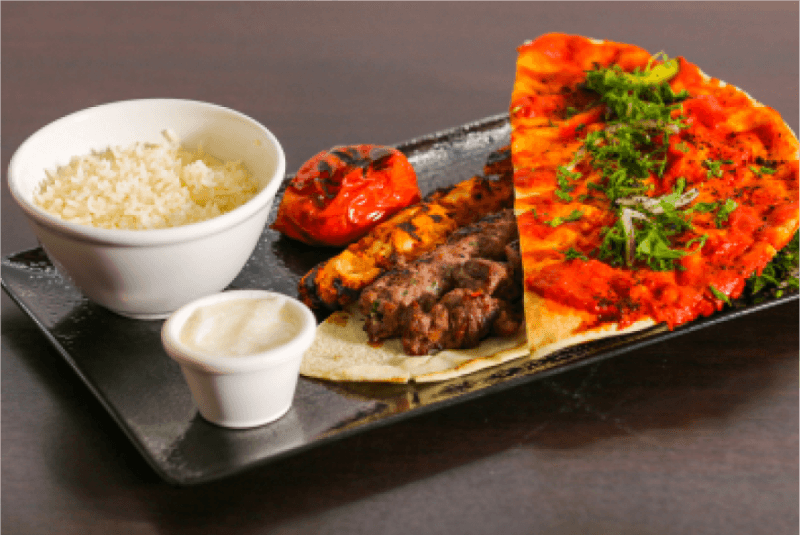
Once the marinade has done its work, the cooking must be quick. The cubes are threaded by hand, close together but never packed, so heat can circulate and every side can colour. They are then seared on a hot grill, over the flame, and turned regularly. The aim fits in one sentence: colour the outside before the inside has time to dry out.
This quick searing creates a thin golden crust on the surface, almost lacquered by the sugars in the marinade, while the centre stays juicy. Cooking too slowly lets the juices escape drop by drop; cooking too far turns the skewer into dry poultry, the most common and least forgivable fault. The grill cook never takes their eyes off the skewers, turning them a quarter at a time, moving them closer to or further from the heat depending on the thickness of the pieces.
Chich taouk is served straight off the grill, still steaming. That is also why grills are cooked to order rather than in advance: between the moment the skewer leaves the flame and the moment it reaches the table, every minute counts. A chich taouk that has waited is no longer quite the same dish.
In Lebanon, a chicken skewer never arrives alone on the plate. It comes escorted by sliced onion, flat-leaf parsley, a wedge of lemon to squeeze at the last moment and, very often, a pinch of sumac, the dried berry whose tang lifts the poultry. Beside it, a small dish of toum, the airy white garlic sauce whipped with oil, taken a touch at a time with each mouthful.
Lebanese bread serves as cutlery. You lay on it a piece of chicken, a little onion, a few parsley leaves, a touch of garlic sauce, and close it all into one mouthful. This tactile, direct way of eating says a great deal about the Lebanese table: no one eats their own plate, everyone helps themselves from the middle. That is exactly the spirit in which we serve the chef's chich taouk, on a plate meant to be picked at together.
Rice, raw vegetables and potatoes complete the plate depending on the house. What matters is the balance: the richness of grilled poultry, the acidity of lemon and sumac, the crunch of raw onion, the freshness of herbs. Every element has a purpose, none is decorative.
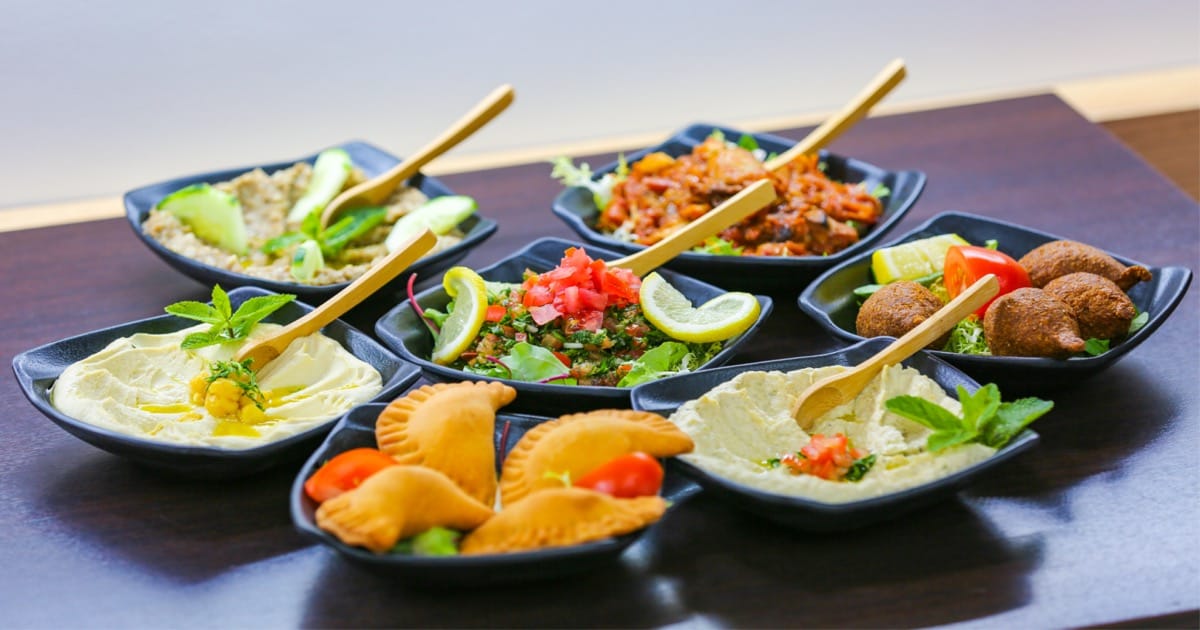
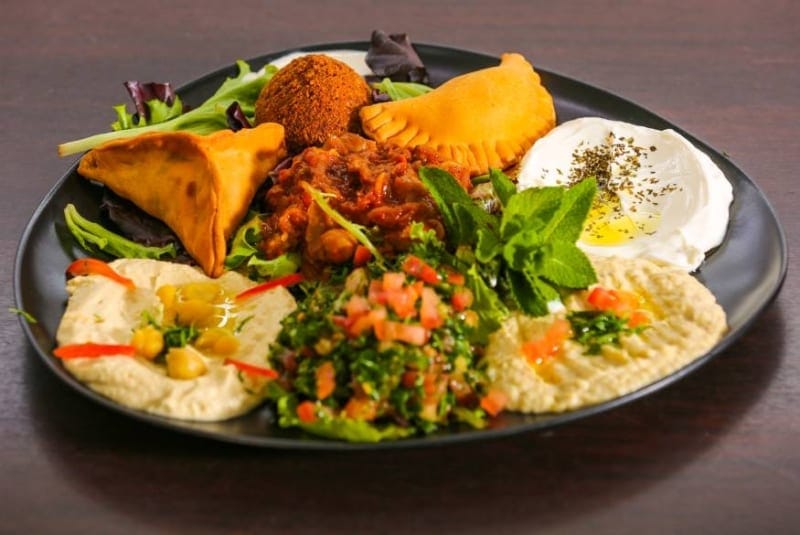
A Lebanese meal is not built around a single dish but around a constellation. Before the skewers even arrive, the table fills with cold mezze. Hummus, a chickpea purée bound with tahini, brings the creaminess that answers grilled meat. Tabbouleh, generous with parsley and lifted by lemon, brings freshness and crunch instead. Both are scooped with bread, picked at between bites of skewer, and lighten the whole meal.
Then come the hot mezze, more filling, and the simple raw vegetables that traditionally accompany grills: tomato, cucumber, radish, olives. Garlic sauce is not shared with the chicken alone; it finds its way onto the bread, onto the potatoes, wherever it can add its lift. Lebanese bread, thin and supple, serves in turn as cutlery, support and side dish.
This way of composing explains why chich taouk is rarely ordered on its own. One skewer per person, two or three mezze to share for the table: that is the fairest proportion for discovering Lebanese cuisine without limiting yourself to a single taste. Vegetarian guests naturally find their place, since half the table is open to them.
The confusion is common, and understandable: in both cases it is marinated, grilled chicken. Yet these are two very different techniques, giving two textures and two ways of eating. Telling them apart helps you order knowingly, whether at the restaurant or for delivery.
In short: the skewer belongs to the quick gesture and the whole piece, shawarma to slow cooking and shaved slices. The first showcases the tenderness of the flesh, the second the contrast between crisp edges and a tender centre. Both belong to the same repertoire, but they do not replace one another.
No, chich taouk is not spicy in the sense of hot. That is one reason for its wide appeal. Its marinade is aromatic, not burning: garlic, lemon and yoghurt dominate, perhaps lifted by mild paprika or a discreet pepper. What you taste is fragrant, tender poultry, never a dish that stings.
That makes it an excellent choice for a first taste of Lebanese cuisine, and for a table spanning generations. Children usually take to it without reservation: chicken is a reassuring landmark, the texture is tender, and a skewer is fun to eat. If the raw garlic of the toum sauce is too strong for them, simply serve it on the side.
One last tip for enjoying it fully: squeeze the lemon at the very last moment, just before eating, rather than as soon as the plate arrives. The fresh acidity then wakes the marinade instead of diluting it. Sumac, if you have some, plays the same role with an added fruity note.
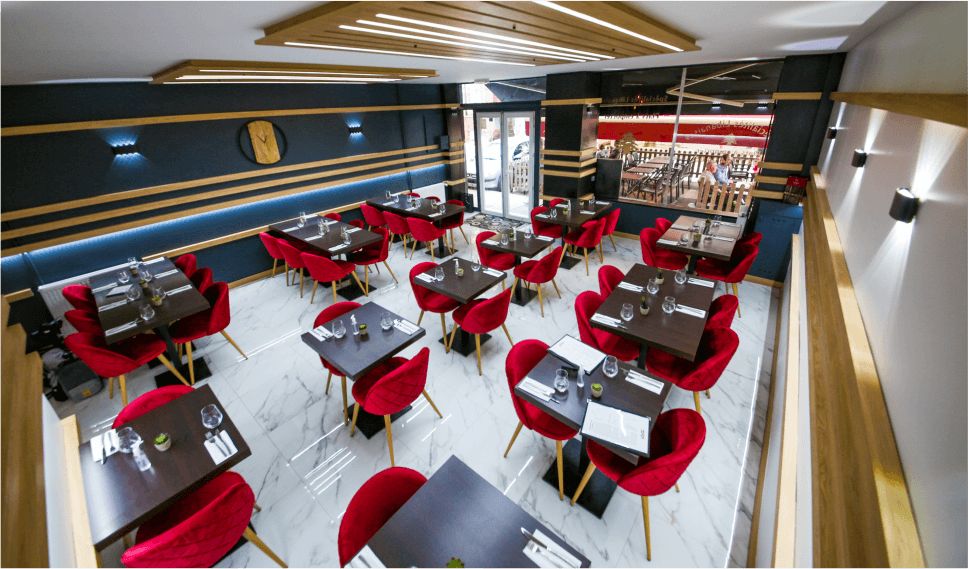
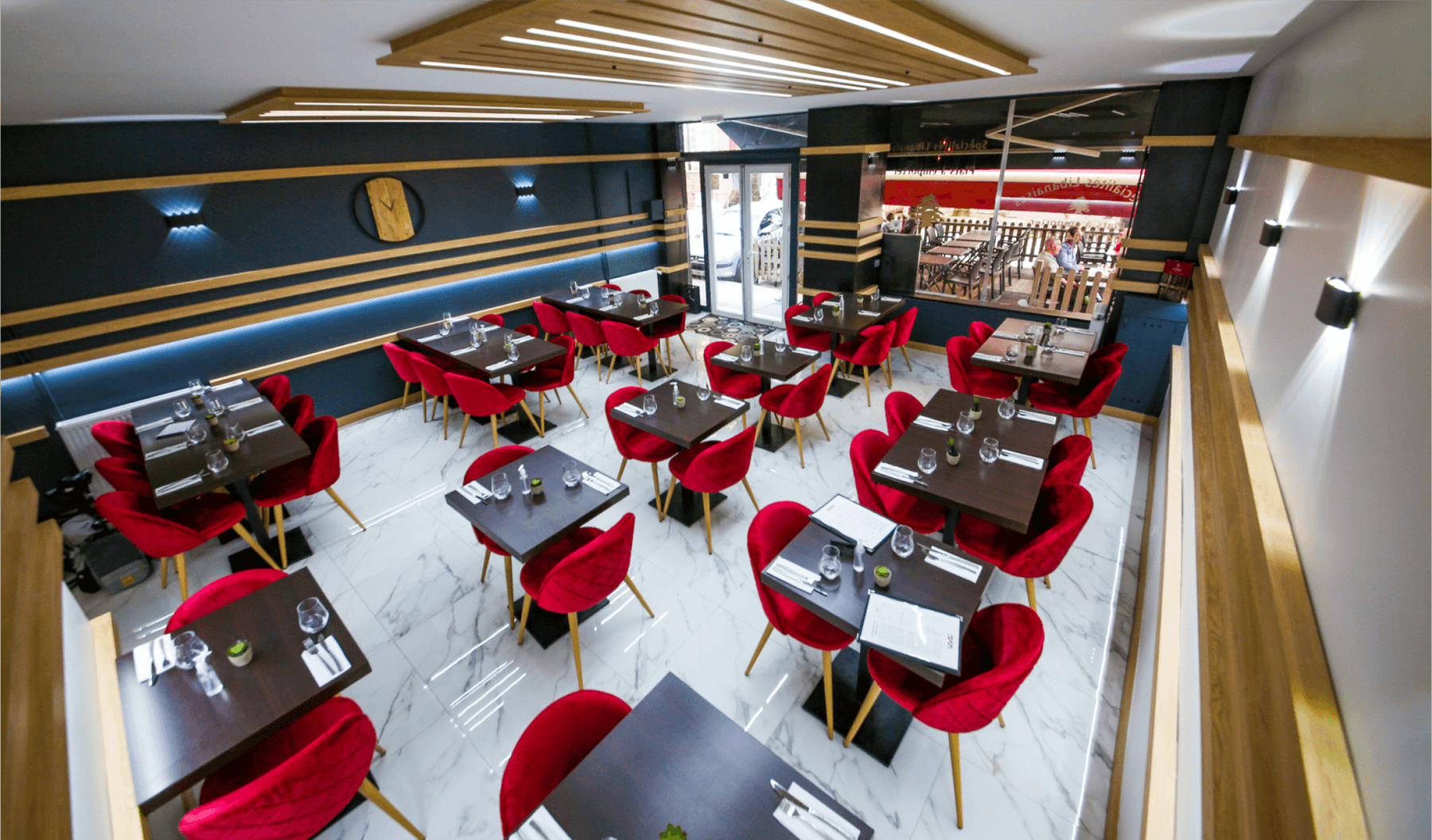
Layali Beyrouth is a family Lebanese restaurant at 38 rue du Dauphiné, in the 3rd arrondissement of Lyon. Since 2010 a couple has kept it alive: he in the kitchen, qualified in Lebanese cuisine, she front of house. Fifteen years of service by two people, with no rotating team, translates on the plate into a consistency few addresses can hold.
The choice made at the outset is simple and demanding: produce selected fresh day by day, without stock, and cooking to order. Marinades are made the night before, skewers threaded by hand, grills seared when ordered. It is slower than a standardised service, but it is the only way to serve a chich taouk that keeps its promises.
You can discover it at lunch as part of our lunch set menu, in the dining room in the evening, or collect it as Click and Collect. In every case the skewer is grilled there and then, never reheated.
Keep reading, or move from reading to the table with the pages of our menu.
Tempted by the skewer? Discover our full menu of grillades libanaises Lyon, cooked to order at the restaurant.
Online booking, from lunch to dinner. Groups up to 30 people on request, with an adapted menu.