01
The origin
Shawarma comes from the Levant, of which Lebanon is a part. The word kebab, of Middle Eastern and Turkish origin, broadly refers to all grilled meats.
Lebanon, a bridge between East and West: two words often confused, one same wish to travel for the length of a meal. Here is everything you need to know.
Shawarma and kebab are often used as if they were the same sandwich. Yet the difference lies in distinct origins, techniques and traditions. At Layali Beyrouth, a family-run Lebanese restaurant in Lyon 3 since 2010, here is a simple explanation faithful to the cuisine of the Levant.
“Shawarma is meat patiently marinated and turning on its spit; kebab is a whole family of grilled dishes.”
01
Shawarma comes from the Levant, of which Lebanon is a part. The word kebab, of Middle Eastern and Turkish origin, broadly refers to all grilled meats.
02
Shawarma is stacked in layers on a vertical spit and thinly sliced. Kebab covers skewers, minced meat or pieces seared over the fire.
03
Marinades, sauces and sides change from one preparation to the next: garlic and toum, tahini tarator, red onion, sumac and parsley depending on the meat.
The difference between shawarma and kebab begins with geography. The word kebab is a generic term, of Middle Eastern and Turkish origin, referring to grilled meats in many forms: skewers, minced meat, pieces on the spit. Shawarma, on the other hand, is a more specific preparation, rooted in the cuisine of the Levant, of which Lebanon is a part.
In the Lebanese culture we keep alive in Lyon, shawarma refers to a clearly identified technique: marinated meat, stacked in layers on a vertical spit, sliced as it cooks. Kebab is a large family; shawarma is a specialty within that world. To picture the nuance, compare our shawarma in Lyon and our Lebanese grills.
It is in the cook's gesture that the difference becomes most visible. Shawarma rests on the vertical spit: the meat, marinated in advance, cooks slowly while its edges are sliced off as it goes. This gives the characteristic texture, crisp on the surface and tender at the core.
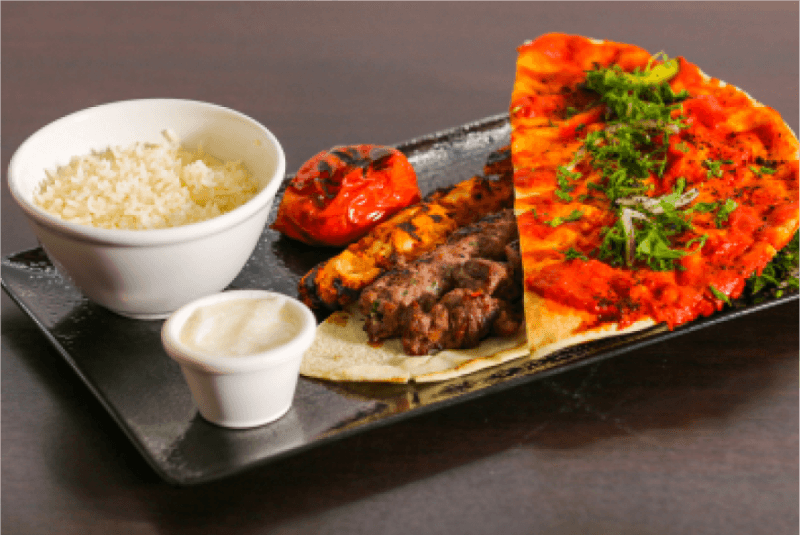
Kebab, in its broad sense, brings together other cooking methods: skewers seared over embers, minced meat shaped by hand, marinated pieces cooked over charcoal. In the Lebanese tradition, these forms have their own names, chich taouk for chicken, kafta for minced meat. Discover our house shawarma in Lyon.
Beyond the cooking, the difference plays out in the meats, marinades and sauces. Lebanese shawarma is most often made with chicken or beef, marinated for several hours with a blend of spices and aromatics. This step is essential: it gives the dish its aromatic identity even before the spit.
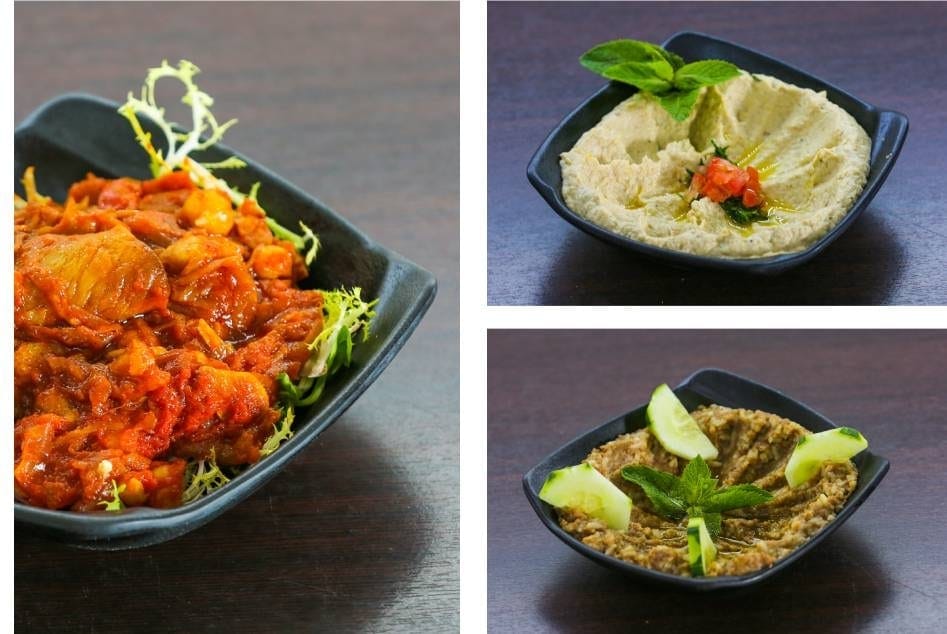
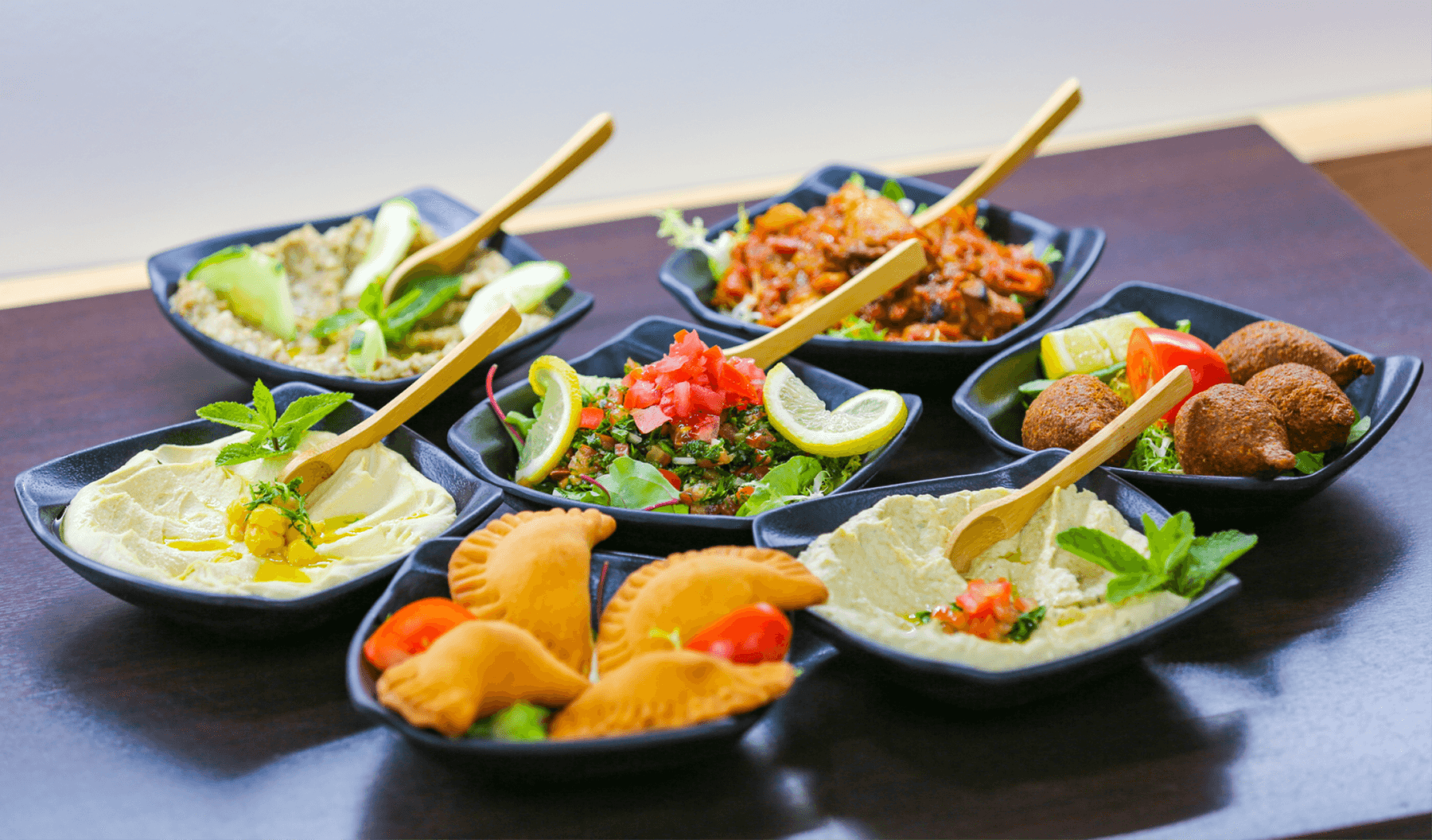
The sauces are just as characteristic: garlic and toum for chicken, tahini tarator for beef. Under the word kebab, meats and sides vary enormously across cultures and recipes. To build a true meal to share, extend it with a creamy hummus or a fragrant tabbouleh.
In Lyon, shawarma and kebab are often used interchangeably for a sandwich of meat sliced from the spit. From the point of view of a Lebanese restaurant such as Layali Beyrouth, however, they are not the same thing: shawarma refers to a precise recipe of Lebanese cuisine, prepared by our qualified chef from produce chosen fresh each day, without stock.
To go further, browse our menu, our guide to chicken chawarma and the story of Layali Beyrouth.
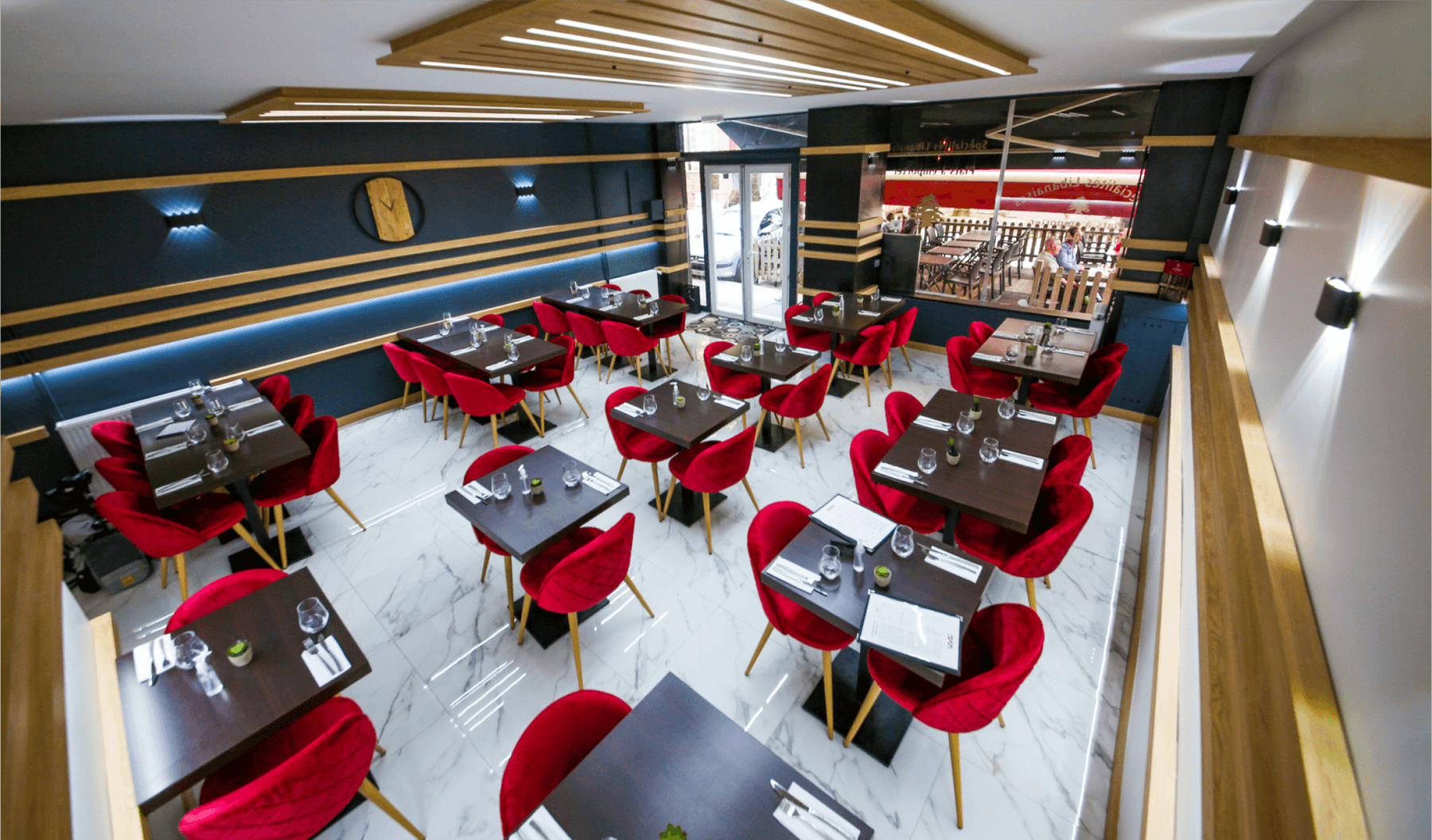
Online booking, from lunch to dinner. Groups up to 30 people on request, with an adapted menu.